
Intermittent Fasting
Access customized diet plans and professional nutritionist consults for Intermittent Fasting.
Starts at ₹899/session · No commitment required
Meet Our Nutritionist & Dietitian Experts
Vetted professionals specialized in Nutritionist & Dietitian ready to guide you.

Rohini, Delhi
MA in Counselling Psychology
4+ Years Experience
Hindi, English, Punjabi
Mindfulness & Coping Skills, Active Listening, Behavioral Assessment, Mindfulness Techniques , +29 more

Borivali West, Mumbai
MA in Psychology
18+ Years Experience
Gujarati, Marathi, English, Hindi
Anxiety, Depression, Stress Management, Relationship Issues , +1 more

South Delhi, New Delhi
MA in Psychology
5+ Years Experience
English, Hindi
Anxiety, Depression, Stress Management, Relationship Issues , +1 more

Vora Towers, Yousufguda Basti
MPhil in Psychology
5+ Years Experience
Bengali, Telugu, Assamese, English, Hindi
Anxiety, Depression, Stress Management, Relationship Issues , +1 more

Ballygunge, Kolkata
Masters in Social Work and Mental Health
9+ Years Experience
English, Bengali
Anxiety, Depression, Stress Management, Relationship Issues , +1 more

Bhilai, Chhattisgarh
MA in Psychology
15+ Years Experience
Hindi, English
Anxiety, Depression, Stress Management, Relationship Issues , +44 more

Gurgaon, Haryana
MA in Counselling Psychology
4+ Years Experience
Kashmiri, Hindi, English
Anxiety, Depression, Stress Management, Relationship Issues , +1 more
Bangalore, Karnataka
MSc Psychology
4+ Years Experience
English, Tamil, Kannada, Telugu
Anxiety, Depression, Grief & Bereavement, Couple Problems , +103 more
Intermittent Fasting Diet Plan & Online Dietitian Consultation in India
Certified Intermittent Fasting Sessions & Consultations
Access customized diet plans and professional nutritionist consults for Intermittent Fasting.
⏳ Intermittent Fasting: A Smart Approach to Health & Weight Management
Intermittent fasting (IF) is not just a diet—it’s an eating pattern that alternates between periods of eating and fasting. It has gained massive popularity due to its benefits for weight loss, metabolism, and overall health.
At Medavas, we provide online intermittent fasting dietitian consultation in India, helping you follow IF safely with personalized diet plans tailored to your body and lifestyle.
👉 Support weight loss
👉 Improve metabolism
👉 Enhance overall health
🧠 What is Intermittent Fasting?
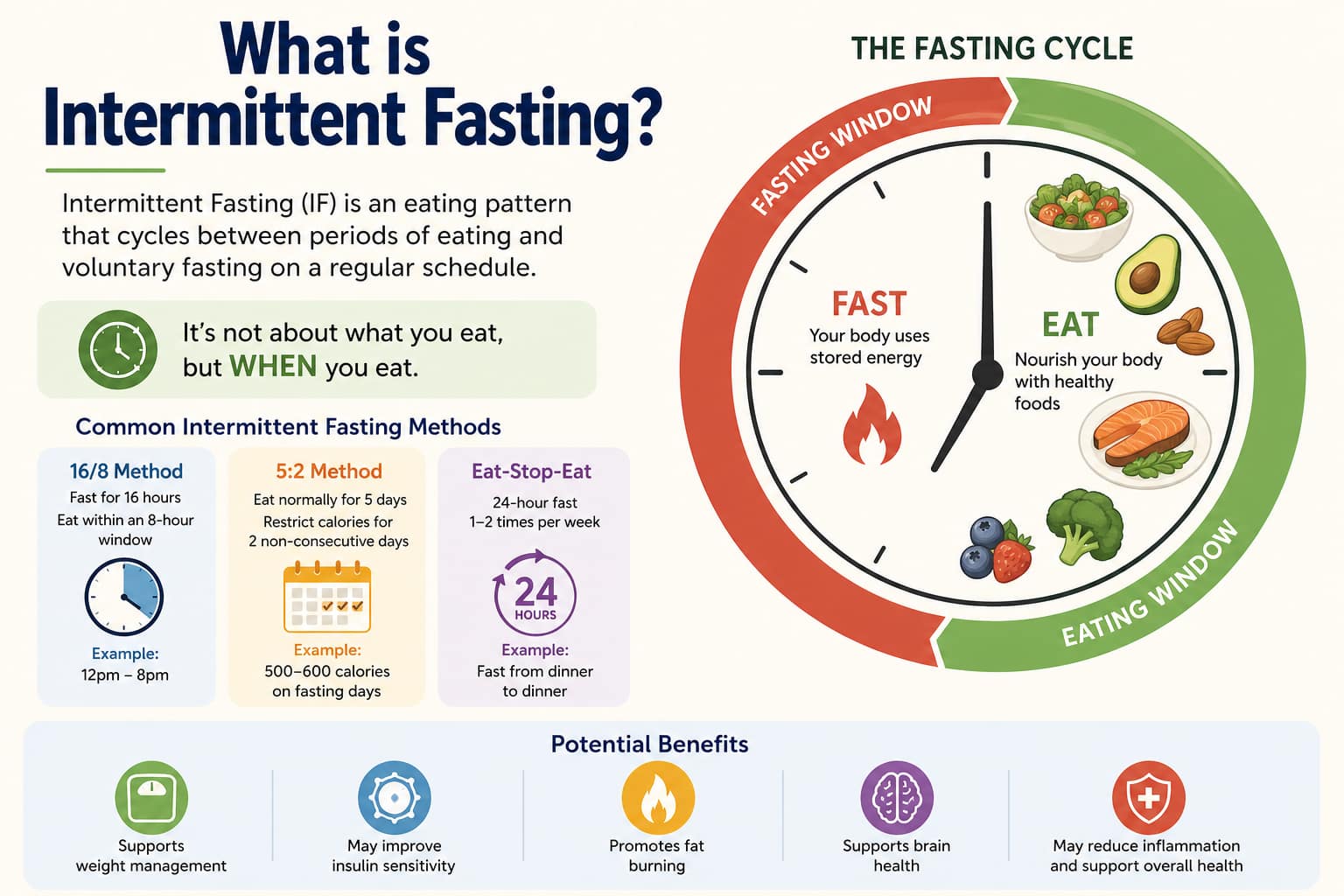
Intermittent fasting focuses on when you eat, rather than what you eat. It involves cycling between eating windows and fasting periods.
👉 It does not mean starving—it means structured eating.
📊 Popular Intermittent Fasting Methods
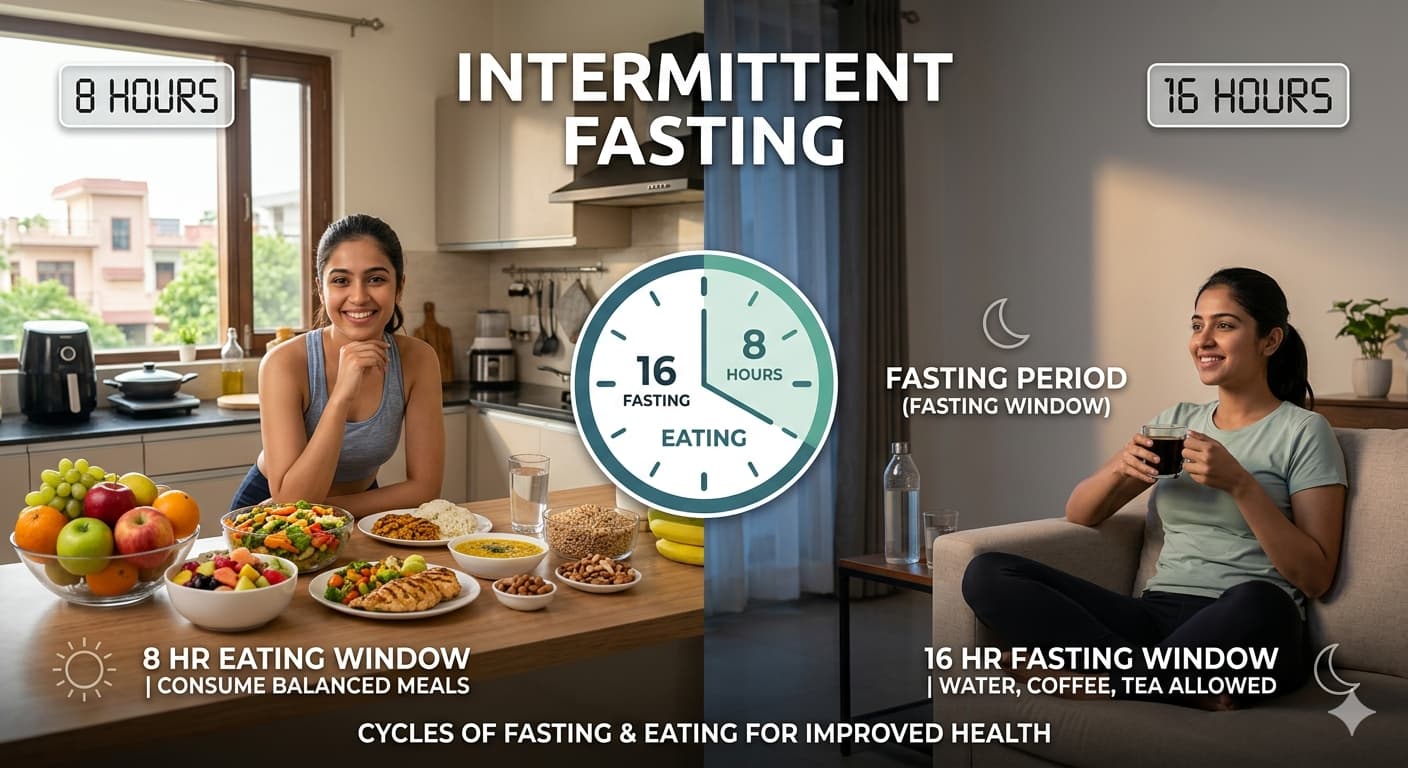
🔹 16:8 Method (Most Popular)
- 16 hours fasting
- 8 hours eating window
🔹 14:10 Method (Beginner Friendly)
- 14 hours fasting
- 10 hours eating
🔹 5:2 Method
- Normal eating for 5 days
- Reduced calories for 2 days
👉 Choose based on your lifestyle and comfort.
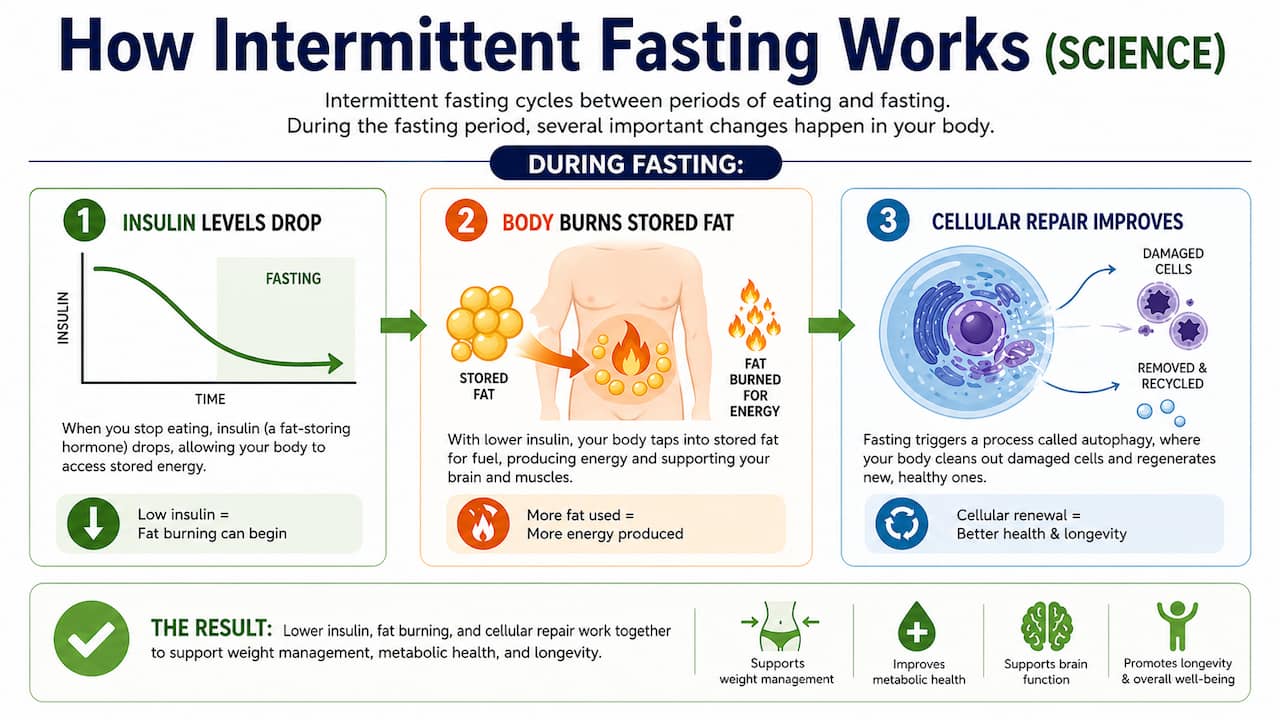
⚙️ How Intermittent Fasting Works (SCIENCE)
During fasting:
- Insulin levels drop
- Body burns stored fat
- Cellular repair improves
👉 This leads to better metabolism and fat loss.
👩⚕️ Our Expert Dietitians for Intermittent Fasting
At Medavas, our dietitians:
- Personalize fasting schedules
- Ensure nutritional balance
- Focus on safe and sustainable results
🎯 Our Intermittent Fasting Services
🥗 Personalized IF Diet Plans
- Based on body type
- Lifestyle and goals
⚖️ Weight Management Support
- Fat loss strategies
- Healthy eating patterns
🔄 Continuous Monitoring
- Progress tracking
- Diet adjustments
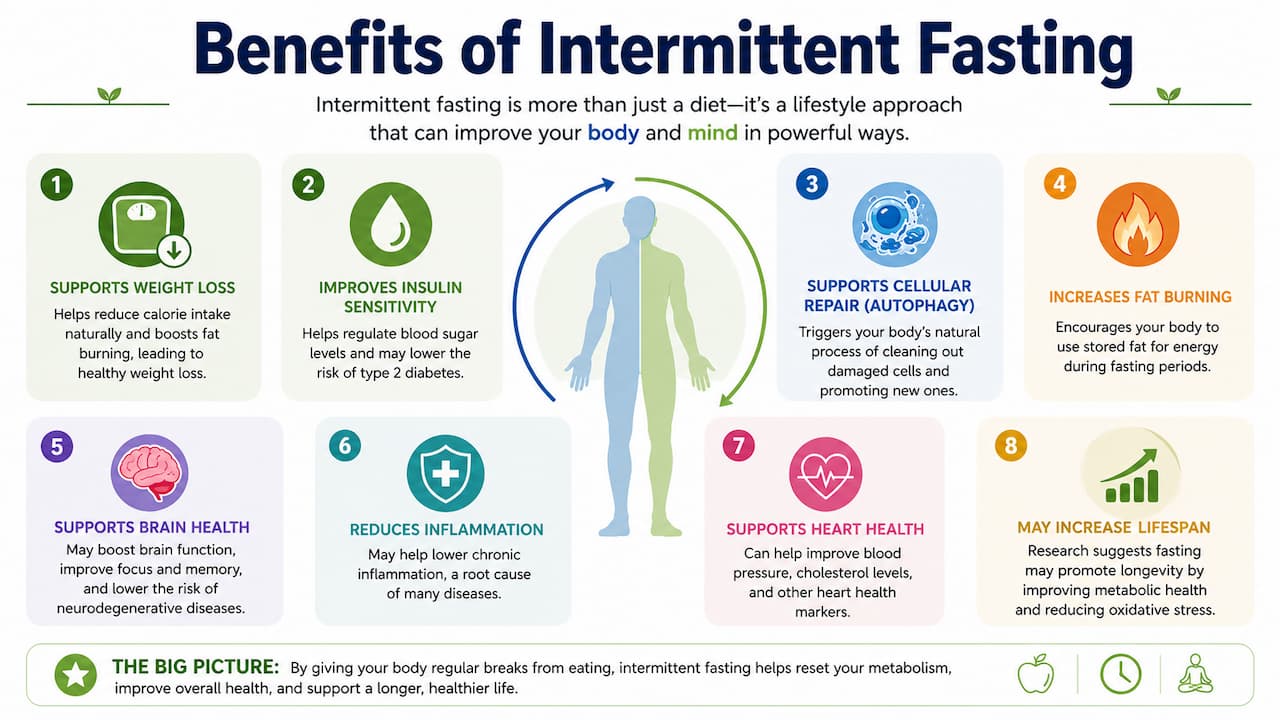
🧬 Benefits of Intermittent Fasting
🔹 Weight Loss
Burns fat effectively
🔹 Improved Metabolism
Enhances energy usage
🔹 Better Digestion
Gives digestive system rest
🔹 Blood Sugar Control
Stabilizes glucose levels
🔹 Cellular Repair
Supports overall health
⚠️ Who Should Avoid Intermittent Fasting?
- Pregnant women
- Individuals with medical conditions
- Underweight individuals
👉 Always consult a dietitian.
🥗 What to Eat During Eating Window
🍗 Protein Foods
- Eggs
- Chicken
- Paneer
🍞 Complex Carbs
- Whole grains
- Oats
🥑 Healthy Fats
- Nuts
- Seeds
🥦 Fruits & Vegetables
- Fiber and nutrients
🚫 What to Avoid
- Junk food
- Sugary drinks
- Overeating
👉 IF is not an excuse to eat unhealthy.
🥣 Sample Intermittent Fasting Plan (16:8)
Fasting Window: 8 PM – 12 PM
Eating Window: 12 PM – 8 PM
- 12 PM: Lunch
- 4 PM: Snack
- 7 PM: Dinner
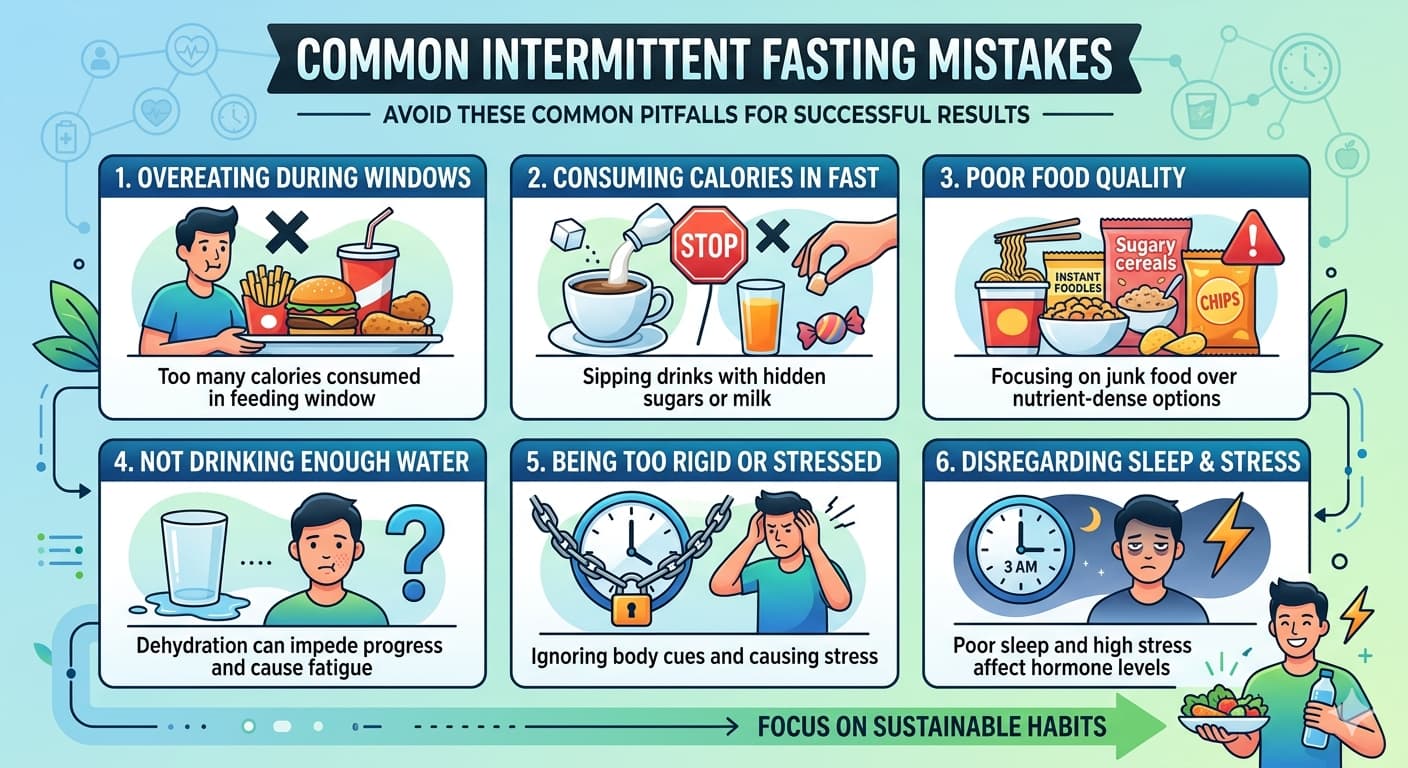
⚠️ Common Intermittent Fasting Mistakes
- Overeating in eating window
- Skipping nutrients
- Not staying hydrated
📉 Results Timeline
- 1–2 weeks: Body adapts
- 3–4 weeks: Weight changes
- 2–3 months: Visible results
🧠 IF & Lifestyle
- Sleep improves results
- Stress affects metabolism
- Exercise boosts fat loss
⭐ Success Stories
- “Lost 5 kg in 2 months”
- “Improved energy levels”
🆚 Intermittent Fasting Myths vs Facts
❌ Myth: IF is starvation
✔ Fact: It’s structured eating
🚀 Start Intermittent Fasting the Right Way
👉 Book your online intermittent fasting dietitian consultation and achieve your health goals safely.

📍 Find Intermittent Fasting Diet Nutritionists & Dietitians Across India We are expanding our services across major cities
What Our Clients Say About Intermittent Fasting
Real feedback from individuals who found support and healing through our platform.


Consult in Your Preferred Language for Intermittent Fasting
Connect with certified therapists who speak your native language for more comfortable and culturally attuned intermittent fasting sessions.
Common Questions About Intermittent Fasting
Got questions? We've got answers.
Looking for interactive mental health workshops? Join Live Webinars
Learn practical coping strategies, ask questions in real-time Q&A, and get certified guidance from top licensed psychologists in live clinical webinars.

Start Your Journey to Recovery Today
Get matched with a licensed professional specialized in Nutritionist & Dietitian in minutes.