
Guilt Counselling
Professional guilt counselling to help you build resilience, heal emotional wounds, and improve well-being.
Starts at ₹899/session · No commitment required
Meet Our Guilt Counselling Experts
Vetted professionals specialized in Guilt Counselling ready to guide you.

Psychologist, Therapist, Counsellor, Child Psychologist, Clinical Psychologist, Counselling Psychologist, Psychotherapist
Paschim Vihar, New Delhi
MA Clinical Psychology
6+ Years Experience
English, Hindi
Anxiety, Depression, Stress Management, Panic Attacks , +186 more

Sector 20, Chandigarh
MA in Psychology
3+ Years Experience
Punjabi, English, Hindi
Anxiety, Depression, Stress Management, Relationship Issues , +1 more

Maidangarhi, Delhi
MA in psychology
5+ Years Experience
English, Hindi
Anxiety, Depression, Stress Management, Relationship Issues , +1 more

Maya Enclave, New Delhi
MA in Psychology
5+ Years Experience
English, Hindi
Coaching, Communication Skills, Confidence Building, Coping Skills Development , +107 more

Lucknow, Uttar Pradesh
MA in Psychology
11+ Years Experience
English, Hindi
Anxiety, Depression, Stress Management, Relationship Issues , +1 more

Gurgaon, Haryana
MA Counselling Psychology
1+ Years Experience
English, Hindi
Couple Problems, Relationship Issues, Marriage Problems, Family Conflicts , +44 more

Mumbai, Maharashtra
MA in Clinical Psychology
4+ Years Experience
English, Hindi, Marathi
Depression, Stress Management, Relationship Issues, Marriage Problems , +10 more

Khardah, Kolkata
MSc in Applied Psychology
2+ Years Experience
Bengali, English, Hindi
Anxiety, Depression, Stress Management, Relationship Issues , +75 more

Clinical Psychologist, Counsellor, Child Psychologist, Counselling Psychologist, Therapist, Psychologist
Mayannur, Thrissur
M.Sc. in Clinical Psychology
4+ Years Experience
Malayalam, Tamil, English, Hindi
Anxiety, Depression, Stress Management, Relationship Issues , +61 more

Panaji, Goa
M.Sc. in Clinical Psychology
2+ Years Experience
English, Hindi
Anxiety, Depression, Stress Management, Relationship Issues , +1 more

Hyderabad, Telangana
MA Counselling Psychology
4+ Years Experience
Telugu, Marathi, English, Hindi
Anxiety, Depression, Stress Management, Couple Problems , +43 more

Greater Noida, Uttar Pradesh
MA in Clinical Psycology
3+ Years Experience
English, Hindi
Anxiety, Depression, Stress Management, Relationship Issues , +1 more

Murad Nagar, Ghaziabad
M.Ed in Psychology
9+ Years Experience
Hindi, Punjabi
Anxiety, Depression, Stress Management, Couple Problems , +14 more

Varanasi, Uttar Pradesh
MA Clinical Psychology
1+ Years Experience
English, Hindi
Anxiety, Depression, Stress Management, Relationship Issues , +1 more
Channagiri, Karnataka
MSC in Clinical Psychology
1+ Years Experience
Kannada, English, Hindi
Anxiety, Depression, Stress Management, Relationship Issues , +1 more

Undri, Pune
M.Sc. in Psychology
3+ Years Experience
English, Hindi
Anxiety, Depression, Stress Management, Relationship Issues , +1 more

Sector 10A, Gurgaon
MSC in Counseling Psychology
3+ Years Experience
English, Hindi
Anxiety, Depression, Stress Management, Relationship Issues , +1 more

Kanpur, Uttar Pradesh
MA in Psychology
4+ Years Experience
Hindi, English
Rational Emotive Behavior Therapy (REBT), Rehabilitation Planning, Relationship Counselling, Schizophrenia Support , +100 more

Chitradurga, Karnataka
M.Sc in Food Technology
5+ Years Experience
Kannada, English, Telugu
Anxiety, Depression, Stress Management, Relationship Issues , +1 more

Sarvodaya Enclave, New Delhi
M.Sc. in Psychological Therapies
1+ Years Experience
Tamil, English, Hindi
Anxiety, Depression, Stress Management, Relationship Issues , +1 more

Jaipur, Rajasthan
M.Phil in Clinical Psychologist
2+ Years Experience
English, Hindi
Anxiety, Depression, Stress Management, Relationship Issues , +1 more

Kota, Rajasthan
MA in Psychology
4+ Years Experience
Hindi
Anxiety, Depression, Stress Management, Relationship Issues , +1 more

Mumbai, Maharashtra
MA in Counselling Psychology
3+ Years Experience
Hindi, English, Gujarati, Marwadi
Anxiety, Depression, Stress Management, Relationship Issues , +60 more

Gurugram, Haryana
MA in Psychology
8+ Years Experience
English, Hindi
Anxiety, Depression, Stress Management, Relationship Issues , +1 more
Psychologist, Therapist, Counsellor, Child Psychologist, Clinical Psychologist, Counselling Psychologist, Psychotherapist
Paschim Vihar, New Delhi
MA Clinical Psychology
6+ Years Experience
English, Hindi
Anxiety, Depression, Stress Management, Panic Attacks , +186 more
Sector 20, Chandigarh
MA in Psychology
3+ Years Experience
Punjabi, English, Hindi
Anxiety, Depression, Stress Management, Relationship Issues , +1 more
Maidangarhi, Delhi
MA in psychology
5+ Years Experience
English, Hindi
Anxiety, Depression, Stress Management, Relationship Issues , +1 more
Maya Enclave, New Delhi
MA in Psychology
5+ Years Experience
English, Hindi
Coaching, Communication Skills, Confidence Building, Coping Skills Development , +107 more
Lucknow, Uttar Pradesh
MA in Psychology
11+ Years Experience
English, Hindi
Anxiety, Depression, Stress Management, Relationship Issues , +1 more
Gurgaon, Haryana
MA Counselling Psychology
1+ Years Experience
English, Hindi
Couple Problems, Relationship Issues, Marriage Problems, Family Conflicts , +44 more
Mumbai, Maharashtra
MA in Clinical Psychology
4+ Years Experience
English, Hindi, Marathi
Depression, Stress Management, Relationship Issues, Marriage Problems , +10 more
Khardah, Kolkata
MSc in Applied Psychology
2+ Years Experience
Bengali, English, Hindi
Anxiety, Depression, Stress Management, Relationship Issues , +75 more
Clinical Psychologist, Counsellor, Child Psychologist, Counselling Psychologist, Therapist, Psychologist
Mayannur, Thrissur
M.Sc. in Clinical Psychology
4+ Years Experience
Malayalam, Tamil, English, Hindi
Anxiety, Depression, Stress Management, Relationship Issues , +61 more
Panaji, Goa
M.Sc. in Clinical Psychology
2+ Years Experience
English, Hindi
Anxiety, Depression, Stress Management, Relationship Issues , +1 more
Hyderabad, Telangana
MA Counselling Psychology
4+ Years Experience
Telugu, Marathi, English, Hindi
Anxiety, Depression, Stress Management, Couple Problems , +43 more
Greater Noida, Uttar Pradesh
MA in Clinical Psycology
3+ Years Experience
English, Hindi
Anxiety, Depression, Stress Management, Relationship Issues , +1 more
Murad Nagar, Ghaziabad
M.Ed in Psychology
9+ Years Experience
Hindi, Punjabi
Anxiety, Depression, Stress Management, Couple Problems , +14 more
Varanasi, Uttar Pradesh
MA Clinical Psychology
1+ Years Experience
English, Hindi
Anxiety, Depression, Stress Management, Relationship Issues , +1 more
Channagiri, Karnataka
MSC in Clinical Psychology
1+ Years Experience
Kannada, English, Hindi
Anxiety, Depression, Stress Management, Relationship Issues , +1 more
Undri, Pune
M.Sc. in Psychology
3+ Years Experience
English, Hindi
Anxiety, Depression, Stress Management, Relationship Issues , +1 more
Sector 10A, Gurgaon
MSC in Counseling Psychology
3+ Years Experience
English, Hindi
Anxiety, Depression, Stress Management, Relationship Issues , +1 more
Kanpur, Uttar Pradesh
MA in Psychology
4+ Years Experience
Hindi, English
Rational Emotive Behavior Therapy (REBT), Rehabilitation Planning, Relationship Counselling, Schizophrenia Support , +100 more
Chitradurga, Karnataka
M.Sc in Food Technology
5+ Years Experience
Kannada, English, Telugu
Anxiety, Depression, Stress Management, Relationship Issues , +1 more
Sarvodaya Enclave, New Delhi
M.Sc. in Psychological Therapies
1+ Years Experience
Tamil, English, Hindi
Anxiety, Depression, Stress Management, Relationship Issues , +1 more
Jaipur, Rajasthan
M.Phil in Clinical Psychologist
2+ Years Experience
English, Hindi
Anxiety, Depression, Stress Management, Relationship Issues , +1 more
Kota, Rajasthan
MA in Psychology
4+ Years Experience
Hindi
Anxiety, Depression, Stress Management, Relationship Issues , +1 more
Mumbai, Maharashtra
MA in Counselling Psychology
3+ Years Experience
Hindi, English, Gujarati, Marwadi
Anxiety, Depression, Stress Management, Relationship Issues , +60 more
Gurugram, Haryana
MA in Psychology
8+ Years Experience
English, Hindi
Anxiety, Depression, Stress Management, Relationship Issues , +1 more
Psychologist, Therapist, Counsellor, Child Psychologist, Clinical Psychologist, Counselling Psychologist, Psychotherapist
Paschim Vihar, New Delhi
MA Clinical Psychology
6+ Years Experience
English, Hindi
Anxiety, Depression, Stress Management, Panic Attacks , +186 more
Sector 20, Chandigarh
MA in Psychology
3+ Years Experience
Punjabi, English, Hindi
Anxiety, Depression, Stress Management, Relationship Issues , +1 more
Maidangarhi, Delhi
MA in psychology
5+ Years Experience
English, Hindi
Anxiety, Depression, Stress Management, Relationship Issues , +1 more
Maya Enclave, New Delhi
MA in Psychology
5+ Years Experience
English, Hindi
Coaching, Communication Skills, Confidence Building, Coping Skills Development , +107 more
Lucknow, Uttar Pradesh
MA in Psychology
11+ Years Experience
English, Hindi
Anxiety, Depression, Stress Management, Relationship Issues , +1 more
Gurgaon, Haryana
MA Counselling Psychology
1+ Years Experience
English, Hindi
Couple Problems, Relationship Issues, Marriage Problems, Family Conflicts , +44 more
Mumbai, Maharashtra
MA in Clinical Psychology
4+ Years Experience
English, Hindi, Marathi
Depression, Stress Management, Relationship Issues, Marriage Problems , +10 more
Khardah, Kolkata
MSc in Applied Psychology
2+ Years Experience
Bengali, English, Hindi
Anxiety, Depression, Stress Management, Relationship Issues , +75 more
Clinical Psychologist, Counsellor, Child Psychologist, Counselling Psychologist, Therapist, Psychologist
Mayannur, Thrissur
M.Sc. in Clinical Psychology
4+ Years Experience
Malayalam, Tamil, English, Hindi
Anxiety, Depression, Stress Management, Relationship Issues , +61 more
Panaji, Goa
M.Sc. in Clinical Psychology
2+ Years Experience
English, Hindi
Anxiety, Depression, Stress Management, Relationship Issues , +1 more
Hyderabad, Telangana
MA Counselling Psychology
4+ Years Experience
Telugu, Marathi, English, Hindi
Anxiety, Depression, Stress Management, Couple Problems , +43 more
Greater Noida, Uttar Pradesh
MA in Clinical Psycology
3+ Years Experience
English, Hindi
Anxiety, Depression, Stress Management, Relationship Issues , +1 more
Murad Nagar, Ghaziabad
M.Ed in Psychology
9+ Years Experience
Hindi, Punjabi
Anxiety, Depression, Stress Management, Couple Problems , +14 more
Varanasi, Uttar Pradesh
MA Clinical Psychology
1+ Years Experience
English, Hindi
Anxiety, Depression, Stress Management, Relationship Issues , +1 more
Channagiri, Karnataka
MSC in Clinical Psychology
1+ Years Experience
Kannada, English, Hindi
Anxiety, Depression, Stress Management, Relationship Issues , +1 more
Undri, Pune
M.Sc. in Psychology
3+ Years Experience
English, Hindi
Anxiety, Depression, Stress Management, Relationship Issues , +1 more
Sector 10A, Gurgaon
MSC in Counseling Psychology
3+ Years Experience
English, Hindi
Anxiety, Depression, Stress Management, Relationship Issues , +1 more
Kanpur, Uttar Pradesh
MA in Psychology
4+ Years Experience
Hindi, English
Rational Emotive Behavior Therapy (REBT), Rehabilitation Planning, Relationship Counselling, Schizophrenia Support , +100 more
Chitradurga, Karnataka
M.Sc in Food Technology
5+ Years Experience
Kannada, English, Telugu
Anxiety, Depression, Stress Management, Relationship Issues , +1 more
Sarvodaya Enclave, New Delhi
M.Sc. in Psychological Therapies
1+ Years Experience
Tamil, English, Hindi
Anxiety, Depression, Stress Management, Relationship Issues , +1 more
Jaipur, Rajasthan
M.Phil in Clinical Psychologist
2+ Years Experience
English, Hindi
Anxiety, Depression, Stress Management, Relationship Issues , +1 more
Kota, Rajasthan
MA in Psychology
4+ Years Experience
Hindi
Anxiety, Depression, Stress Management, Relationship Issues , +1 more
Mumbai, Maharashtra
MA in Counselling Psychology
3+ Years Experience
Hindi, English, Gujarati, Marwadi
Anxiety, Depression, Stress Management, Relationship Issues , +60 more
Gurugram, Haryana
MA in Psychology
8+ Years Experience
English, Hindi
Anxiety, Depression, Stress Management, Relationship Issues , +1 more
Guilt Counselling Insights
Certified Guilt Counselling Sessions & Consultations
Professional guilt counselling to help you build resilience, heal emotional wounds, and improve well-being.
Guilt Counselling: Journey to Self-Forgiveness and Emotional Well-being with Medavas
Feelings of guilt can profoundly affect our mental and emotional health, sometimes causing us to question ourselves deeply. Guilt counselling provides the guidance and support needed to understand, process, and eventually release guilt, allowing individuals to lead balanced, fulfilled lives. At Medavas, we offer customized guilt counselling services to assist you in navigating the complexities of guilt with understanding and empathy.
What is Guilt?
Guilt is an emotional response that often arises when we believe we’ve gone against our values or harmed others. While some level of guilt can encourage reflection and positive change, prolonged or intense guilt can negatively affect well-being. Recognizing and working through these feelings constructively is essential, which is where guilt counselling at Medavas plays a vital role.

Why We Experience Guilt
Guilt is a natural emotion, with many factors influencing its onset:
Personal Responsibility: Taking responsibility, even when situations may not warrant it, can lead to feelings of guilt.
Cultural and Societal Standards: Social norms and values may influence what we perceive as “right” or “wrong.”
Early Life Influences: Experiences and teachings from childhood shape our sense of guilt and accountability.
Personality Traits: Certain traits, like perfectionism or sensitivity, can increase the likelihood of feeling guilty.

Recognizing Guilt’s Symptoms
Guilt can manifest in multiple ways, including physical, emotional, and behavioral symptoms:
Physical Reactions: Muscle tightness, headaches, fatigue, and sleep disturbances are common physical signs.
Emotional Reactions: Guilt can trigger anxiety, sadness, regret, and overwhelming feelings of shame.
Behavioral Reactions: Avoidance, isolation, and excessive apologizing or overworking to “make up” for guilt-driven thoughts are common behaviors.

Types of Guilt and How They Differ
Recognizing the different types of guilt can help in understanding the unique approaches needed in counselling:
Adaptive or Healthy Guilt: Often a helpful form of guilt that encourages self-awareness and growth.
Chronic or Unhealthy Guilt: Excessive, irrational feelings of guilt that may be based on unfounded beliefs.
Survivor’s Guilt: Arising when individuals feel they’ve survived a situation that others did not, such as in accidents or trauma.
Parental Guilt: Common among parents feeling they haven’t met personal or societal expectations in parenting roles.
Social or Cultural Guilt: Stemming from actions or choices that may go against societal norms or family expectations.
The Mental Health Impact of Guilt
When unresolved, guilt can take a toll on mental and emotional health. Chronic guilt is often linked to mental health issues such as depression, anxiety, and a negative self-view. Persistent guilt can also create patterns of self-criticism and contribute to social isolation. Guilt counselling offers a pathway to break free from these patterns, providing healthier ways to handle and interpret guilt.
How Guilt Counselling Works at Medavas
At Medavas, we use evidence-based approaches tailored to individual needs, helping clients navigate guilt in a constructive way.
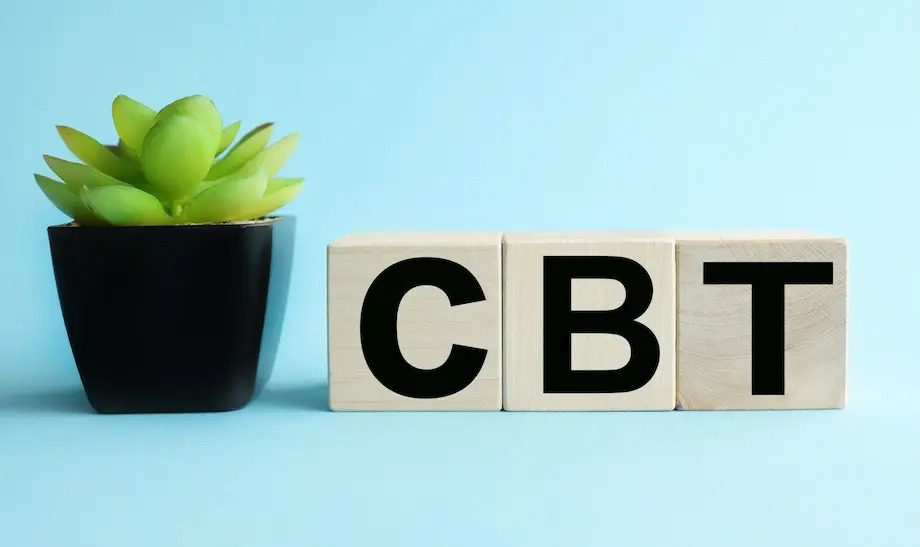
1. Cognitive-Behavioral Therapy (CBT)
CBT identifies negative thought patterns related to guilt and replaces them with balanced, realistic thoughts. It’s particularly effective for managing irrational guilt, providing clients with practical skills to redirect harmful self-talk.
2. Acceptance and Commitment Therapy (ACT)
ACT encourages individuals to acknowledge and accept their emotions without self-criticism, focusing instead on living in line with their values. By fostering acceptance, ACT enables individuals to move forward even with lingering feelings of guilt.
3. Compassion-Focused Therapy (CFT)
CFT addresses self-critical thinking, teaching clients how to develop compassion toward themselves. Through CFT, individuals learn how to cultivate self-acceptance and replace harsh judgments with supportive, kind self-talk.
4. Mindfulness Practices
Mindfulness techniques empower clients to focus on the present, viewing their emotions without getting overwhelmed. Meditation and mindfulness help to create emotional clarity and resilience, making it easier to cope with guilt constructively.
5. Trauma-Focused Therapy
In cases where guilt is tied to past trauma, trauma-focused therapy helps in understanding and releasing feelings associated with the traumatic experience. This approach allows clients to process difficult emotions and come to terms with past events safely.
Steps to Recovery and Self-Forgiveness
An essential part of recovery from guilt is learning to forgive oneself and making choices that promote emotional health. Medavas guilt counselling supports self-forgiveness and positive life changes through:
Reflective Exercises: Activities aimed at uncovering the origins of guilt to better understand it.
Forgiveness Practices: Techniques focused on fostering self-acceptance and releasing resentment.
Boundary-Setting Skills: Learning emotional boundaries can prevent unnecessary guilt and promote self-respect.
Positive Reinforcement: Clients are encouraged to replace guilt-driven actions with positive choices, enhancing self-worth.
Self-Help Techniques to Manage Guilt
While professional guidance is invaluable, practicing self-help strategies can help individuals work through guilt more effectively. Here are some beneficial strategies:
Acknowledge Emotions: Accepting guilt rather than avoiding it makes it easier to address.
Challenge Harmful Beliefs: Reframe negative beliefs to view situations more constructively.
Seek Connection: Talking with friends, family, or a support group can reduce feelings of isolation.
Engage in Self-Care: Physical and mental self-care support emotional well-being and resilience.

When Should You Consider Guilt Counselling?
If guilt is causing significant emotional distress, it may be time to seek counselling. Here are some signs to look for:
Persistent Self-Blame: Constant guilt, even over minor issues, could indicate the need for counselling.
Relationship Strain: Guilt that leads to misunderstandings or arguments in relationships.
Daily Life Disruption: When guilt interferes with work, social life, or self-care habits.
Feelings of Hopelessness: Guilt that contributes to low mood or self-worth.
Healing Guilt with Medavas
At Medavas, we believe each person’s journey with guilt is unique. Our dedicated team of counsellors provides tailored support to help you understand your feelings, explore the underlying causes, and develop strategies for healing and self-compassion. Medavas blends therapeutic techniques and holistic methods, creating a counselling experience that addresses your individual needs and empowers you to overcome guilt and thrive.

Finding Self-Forgiveness with Medavas
Medavas is here to guide you on the path to self-acceptance and healing from guilt. Our approach combines professional expertise with compassion, creating a safe environment to explore and release guilt. By addressing guilt head-on, we help you rebuild self-esteem, foster resilience, and regain a positive outlook on life. Let Medavas support you in embracing a future grounded in self-compassion and emotional well-being.
What Our Clients Say About Guilt Counselling
Real feedback from individuals who found support and healing through our platform.


Consult in Your Preferred Language for Guilt Counselling
Connect with certified therapists who speak your native language for more comfortable and culturally attuned guilt counselling sessions.
Common Questions About Guilt Counselling
Got questions? We've got answers.
Looking for interactive mental health workshops? Join Live Webinars
Learn practical coping strategies, ask questions in real-time Q&A, and get certified guidance from top licensed psychologists in live clinical webinars.

Start Your Journey to Recovery Today
Get matched with a licensed professional specialized in Guilt Counselling in minutes.