
Overthinking Counselling
Professional overthinking counselling to help you build resilience, heal emotional wounds, and improve well-being.
Starts at ₹899/session · No commitment required
Meet Our Overthinking Counselling Experts
Vetted professionals specialized in Overthinking Counselling ready to guide you.

Psychologist, Therapist, Counsellor, Child Psychologist, Clinical Psychologist, Counselling Psychologist, Psychotherapist
Paschim Vihar, New Delhi
MA Clinical Psychology
6+ Years Experience
English, Hindi
Anxiety, Depression, Stress Management, Panic Attacks , +186 more

Barasat, West Bengal
M.Sc. Clinical Psychology
3+ Years Experience
English, Bengali, Hindi
Anxiety, Depression, Panic Attacks, Family Conflicts , +102 more

Central Delhi, New Delhi
M.A. Psychology
2+ Years Experience
Hindi, English, Tamil
Anxiety, Depression, Stress Management, Relationship Issues , +135 more

Gurgaon, Haryana
MA Counselling Psychology
1+ Years Experience
English, Hindi
Couple Problems, Relationship Issues, Marriage Problems, Family Conflicts , +44 more

Gurugram, Haryana
Msc in Psychology
3+ Years Experience
Hindi, English
Anxiety, Depression, Stress Management, Relationship Issues , +15 more

Maya Enclave, New Delhi
MA in Psychology
5+ Years Experience
English, Hindi
Coaching, Communication Skills, Confidence Building, Coping Skills Development , +107 more

Kanpur, Uttar Pradesh
MA in Psychology
4+ Years Experience
Hindi, English
Rational Emotive Behavior Therapy (REBT), Rehabilitation Planning, Relationship Counselling, Schizophrenia Support , +100 more

Psychologist, Counselling Psychologist, Child Psychologist, Psychosexual Counsellor
Hyderabad, Telangana India
M.Sc
6+ Years Experience
Telugu, English, Hindi
Developmental Assessment, Diagnostic Formulation, Dialectical Behavior Therapy (DBT), Domestic Violence , +148 more

Murad Nagar, Ghaziabad
M.Ed in Psychology
9+ Years Experience
Hindi, Punjabi
Anxiety, Depression, Stress Management, Couple Problems , +14 more
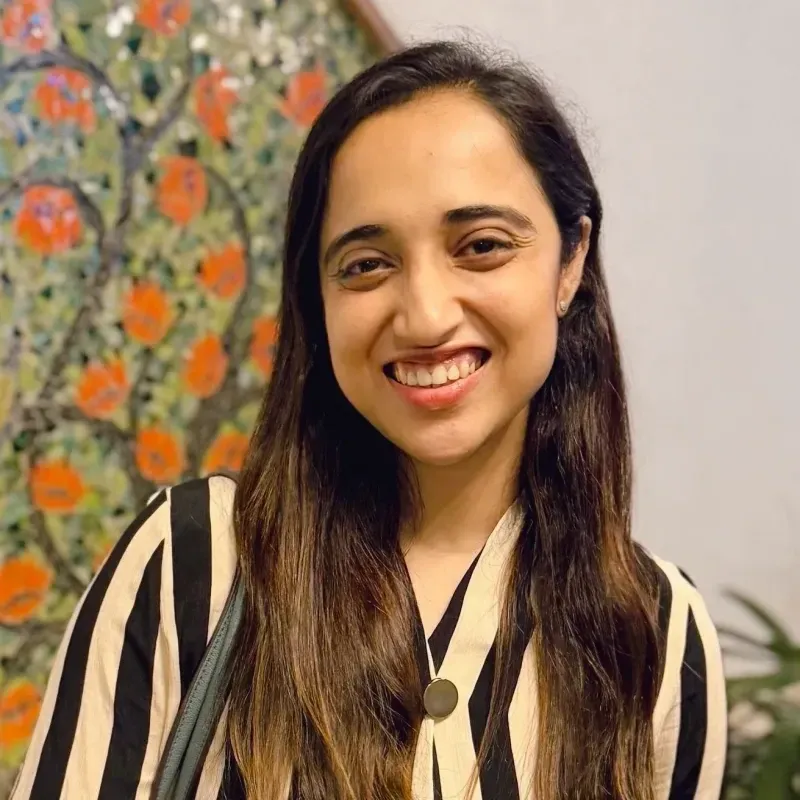
Mumbai, Maharashtra
MA in Clinical Psychology
4+ Years Experience
English, Hindi, Marathi
Depression, Stress Management, Relationship Issues, Marriage Problems , +10 more

Koramangala, Bengaluru
Msc Psychology, Ph.D Clinical Psychology
5+ Years Experience
English, Malayalam
Anxiety, Depression, Stress Management, Relationship Issues , +1 more

Dwarka, Delhi
Certified Clinical and Therapeutic Nutritionist & Dietician
5+ Years Experience
English, Hindi
Anxiety, Depression, Stress Management, Relationship Issues , +1 more

Indira Nagar, Lucknow
PhD, M.Phil in Clinical Psychology
5+ Years Experience
English, Hindi
Anxiety, Depression, Stress Management, Relationship Issues , +1 more

Jaipur, Rajasthan
M.Phil in Clinical Psychology
1+ Years Experience
English, Hindi
Anxiety, Depression, Stress Management, Relationship Issues , +1 more

Bansdroni, Kolkata
MA in Clinical Psychology
5+ Years Experience
Bengali, English, Hindi
Anxiety, Depression, Stress Management, Relationship Issues , +1 more

Rohini, North West Delhi
MA in Psychology
2+ Years Experience
Hindi, English
Anxiety, Depression, Stress Management, Relationship Issues , +1 more
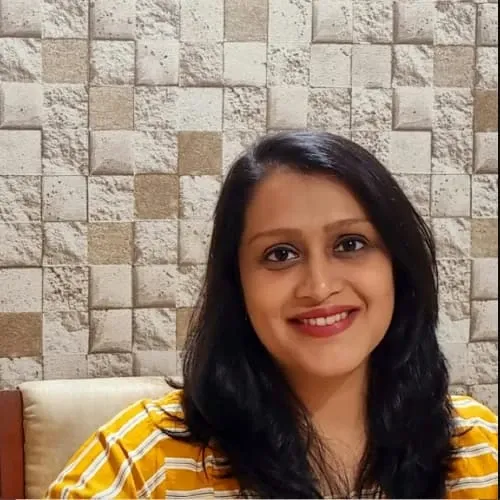
Borivali West, Mumbai
MA in Psychology
18+ Years Experience
Gujarati, Marathi, English, Hindi
Anxiety, Depression, Stress Management, Relationship Issues , +1 more

530/18, Jail Rd
MA in Clinical Psychology
5+ Years Experience
Hindi, English, Punjabi
Anxiety, Depression, Stress Management, Relationship Issues , +1 more

Motinagar, New Delhi
MA in Psychology
3+ Years Experience
Hindi, English, Punjabi
Anxiety, Depression, Stress Management, Relationship Issues , +1 more

Shalimar Bagh, New Delhi
MA in Psychology
5+ Years Experience
Hindi, English
Anxiety, Depression, Stress Management, Relationship Issues , +1 more

Paschim Vihar, New Delhi
MA in Counselling Psychology
5+ Years Experience
Hindi, English
Anxiety, Depression, Stress Management, Relationship Issues , +1 more

Thane, Mumbai
MA in Counselling Psychology
5+ Years Experience
Hindi, English
Anxiety, Depression, Stress Management, Relationship Issues , +1 more

Gurgaon, Haryana
MA in Counselling Psychology
4+ Years Experience
Kashmiri, Hindi, English
Anxiety, Depression, Stress Management, Relationship Issues , +1 more
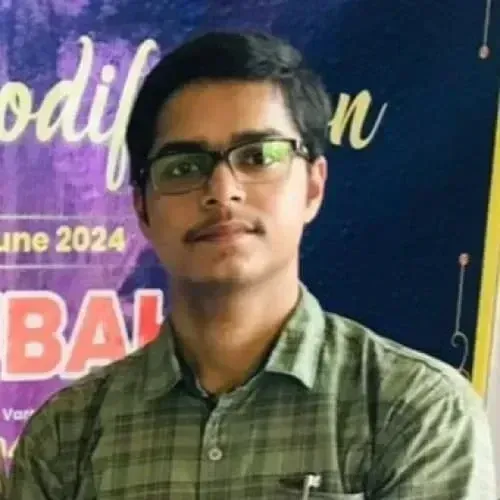
Varanasi, Uttar Pradesh
MA Clinical Psychology
1+ Years Experience
English, Hindi
Anxiety, Depression, Stress Management, Relationship Issues , +1 more
Psychologist, Therapist, Counsellor, Child Psychologist, Clinical Psychologist, Counselling Psychologist, Psychotherapist
Paschim Vihar, New Delhi
MA Clinical Psychology
6+ Years Experience
English, Hindi
Anxiety, Depression, Stress Management, Panic Attacks , +186 more
Barasat, West Bengal
M.Sc. Clinical Psychology
3+ Years Experience
English, Bengali, Hindi
Anxiety, Depression, Panic Attacks, Family Conflicts , +102 more
Central Delhi, New Delhi
M.A. Psychology
2+ Years Experience
Hindi, English, Tamil
Anxiety, Depression, Stress Management, Relationship Issues , +135 more
Gurgaon, Haryana
MA Counselling Psychology
1+ Years Experience
English, Hindi
Couple Problems, Relationship Issues, Marriage Problems, Family Conflicts , +44 more
Gurugram, Haryana
Msc in Psychology
3+ Years Experience
Hindi, English
Anxiety, Depression, Stress Management, Relationship Issues , +15 more
Maya Enclave, New Delhi
MA in Psychology
5+ Years Experience
English, Hindi
Coaching, Communication Skills, Confidence Building, Coping Skills Development , +107 more
Kanpur, Uttar Pradesh
MA in Psychology
4+ Years Experience
Hindi, English
Rational Emotive Behavior Therapy (REBT), Rehabilitation Planning, Relationship Counselling, Schizophrenia Support , +100 more
Psychologist, Counselling Psychologist, Child Psychologist, Psychosexual Counsellor
Hyderabad, Telangana India
M.Sc
6+ Years Experience
Telugu, English, Hindi
Developmental Assessment, Diagnostic Formulation, Dialectical Behavior Therapy (DBT), Domestic Violence , +148 more
Murad Nagar, Ghaziabad
M.Ed in Psychology
9+ Years Experience
Hindi, Punjabi
Anxiety, Depression, Stress Management, Couple Problems , +14 more
Mumbai, Maharashtra
MA in Clinical Psychology
4+ Years Experience
English, Hindi, Marathi
Depression, Stress Management, Relationship Issues, Marriage Problems , +10 more
Koramangala, Bengaluru
Msc Psychology, Ph.D Clinical Psychology
5+ Years Experience
English, Malayalam
Anxiety, Depression, Stress Management, Relationship Issues , +1 more
Dwarka, Delhi
Certified Clinical and Therapeutic Nutritionist & Dietician
5+ Years Experience
English, Hindi
Anxiety, Depression, Stress Management, Relationship Issues , +1 more
Indira Nagar, Lucknow
PhD, M.Phil in Clinical Psychology
5+ Years Experience
English, Hindi
Anxiety, Depression, Stress Management, Relationship Issues , +1 more
Jaipur, Rajasthan
M.Phil in Clinical Psychology
1+ Years Experience
English, Hindi
Anxiety, Depression, Stress Management, Relationship Issues , +1 more
Bansdroni, Kolkata
MA in Clinical Psychology
5+ Years Experience
Bengali, English, Hindi
Anxiety, Depression, Stress Management, Relationship Issues , +1 more
Rohini, North West Delhi
MA in Psychology
2+ Years Experience
Hindi, English
Anxiety, Depression, Stress Management, Relationship Issues , +1 more
Borivali West, Mumbai
MA in Psychology
18+ Years Experience
Gujarati, Marathi, English, Hindi
Anxiety, Depression, Stress Management, Relationship Issues , +1 more
530/18, Jail Rd
MA in Clinical Psychology
5+ Years Experience
Hindi, English, Punjabi
Anxiety, Depression, Stress Management, Relationship Issues , +1 more
Motinagar, New Delhi
MA in Psychology
3+ Years Experience
Hindi, English, Punjabi
Anxiety, Depression, Stress Management, Relationship Issues , +1 more
Shalimar Bagh, New Delhi
MA in Psychology
5+ Years Experience
Hindi, English
Anxiety, Depression, Stress Management, Relationship Issues , +1 more
Paschim Vihar, New Delhi
MA in Counselling Psychology
5+ Years Experience
Hindi, English
Anxiety, Depression, Stress Management, Relationship Issues , +1 more
Thane, Mumbai
MA in Counselling Psychology
5+ Years Experience
Hindi, English
Anxiety, Depression, Stress Management, Relationship Issues , +1 more
Gurgaon, Haryana
MA in Counselling Psychology
4+ Years Experience
Kashmiri, Hindi, English
Anxiety, Depression, Stress Management, Relationship Issues , +1 more
Varanasi, Uttar Pradesh
MA Clinical Psychology
1+ Years Experience
English, Hindi
Anxiety, Depression, Stress Management, Relationship Issues , +1 more
Psychologist, Therapist, Counsellor, Child Psychologist, Clinical Psychologist, Counselling Psychologist, Psychotherapist
Paschim Vihar, New Delhi
MA Clinical Psychology
6+ Years Experience
English, Hindi
Anxiety, Depression, Stress Management, Panic Attacks , +186 more
Barasat, West Bengal
M.Sc. Clinical Psychology
3+ Years Experience
English, Bengali, Hindi
Anxiety, Depression, Panic Attacks, Family Conflicts , +102 more
Central Delhi, New Delhi
M.A. Psychology
2+ Years Experience
Hindi, English, Tamil
Anxiety, Depression, Stress Management, Relationship Issues , +135 more
Gurgaon, Haryana
MA Counselling Psychology
1+ Years Experience
English, Hindi
Couple Problems, Relationship Issues, Marriage Problems, Family Conflicts , +44 more
Gurugram, Haryana
Msc in Psychology
3+ Years Experience
Hindi, English
Anxiety, Depression, Stress Management, Relationship Issues , +15 more
Maya Enclave, New Delhi
MA in Psychology
5+ Years Experience
English, Hindi
Coaching, Communication Skills, Confidence Building, Coping Skills Development , +107 more
Kanpur, Uttar Pradesh
MA in Psychology
4+ Years Experience
Hindi, English
Rational Emotive Behavior Therapy (REBT), Rehabilitation Planning, Relationship Counselling, Schizophrenia Support , +100 more
Psychologist, Counselling Psychologist, Child Psychologist, Psychosexual Counsellor
Hyderabad, Telangana India
M.Sc
6+ Years Experience
Telugu, English, Hindi
Developmental Assessment, Diagnostic Formulation, Dialectical Behavior Therapy (DBT), Domestic Violence , +148 more
Murad Nagar, Ghaziabad
M.Ed in Psychology
9+ Years Experience
Hindi, Punjabi
Anxiety, Depression, Stress Management, Couple Problems , +14 more
Mumbai, Maharashtra
MA in Clinical Psychology
4+ Years Experience
English, Hindi, Marathi
Depression, Stress Management, Relationship Issues, Marriage Problems , +10 more
Koramangala, Bengaluru
Msc Psychology, Ph.D Clinical Psychology
5+ Years Experience
English, Malayalam
Anxiety, Depression, Stress Management, Relationship Issues , +1 more
Dwarka, Delhi
Certified Clinical and Therapeutic Nutritionist & Dietician
5+ Years Experience
English, Hindi
Anxiety, Depression, Stress Management, Relationship Issues , +1 more
Indira Nagar, Lucknow
PhD, M.Phil in Clinical Psychology
5+ Years Experience
English, Hindi
Anxiety, Depression, Stress Management, Relationship Issues , +1 more
Jaipur, Rajasthan
M.Phil in Clinical Psychology
1+ Years Experience
English, Hindi
Anxiety, Depression, Stress Management, Relationship Issues , +1 more
Bansdroni, Kolkata
MA in Clinical Psychology
5+ Years Experience
Bengali, English, Hindi
Anxiety, Depression, Stress Management, Relationship Issues , +1 more
Rohini, North West Delhi
MA in Psychology
2+ Years Experience
Hindi, English
Anxiety, Depression, Stress Management, Relationship Issues , +1 more
Borivali West, Mumbai
MA in Psychology
18+ Years Experience
Gujarati, Marathi, English, Hindi
Anxiety, Depression, Stress Management, Relationship Issues , +1 more
530/18, Jail Rd
MA in Clinical Psychology
5+ Years Experience
Hindi, English, Punjabi
Anxiety, Depression, Stress Management, Relationship Issues , +1 more
Motinagar, New Delhi
MA in Psychology
3+ Years Experience
Hindi, English, Punjabi
Anxiety, Depression, Stress Management, Relationship Issues , +1 more
Shalimar Bagh, New Delhi
MA in Psychology
5+ Years Experience
Hindi, English
Anxiety, Depression, Stress Management, Relationship Issues , +1 more
Paschim Vihar, New Delhi
MA in Counselling Psychology
5+ Years Experience
Hindi, English
Anxiety, Depression, Stress Management, Relationship Issues , +1 more
Thane, Mumbai
MA in Counselling Psychology
5+ Years Experience
Hindi, English
Anxiety, Depression, Stress Management, Relationship Issues , +1 more
Gurgaon, Haryana
MA in Counselling Psychology
4+ Years Experience
Kashmiri, Hindi, English
Anxiety, Depression, Stress Management, Relationship Issues , +1 more
Varanasi, Uttar Pradesh
MA Clinical Psychology
1+ Years Experience
English, Hindi
Anxiety, Depression, Stress Management, Relationship Issues , +1 more
Overthinking Counselling Insights
Certified Overthinking Counselling Sessions & Consultations
Professional overthinking counselling to help you build resilience, heal emotional wounds, and improve well-being.
Overthinking Counselling: A Path to Mental Clarity
Overthinking can feel like being caught in a whirlwind of thoughts, sapping your energy and leaving you mentally exhausted. At Medavas, we understand the profound impact overthinking can have on your mental health and overall well-being. Our counselling services aim to help you break free from the cycle of overthinking and regain control of your mind.
What is Overthinking?
Overthinking refers to the excessive analysis or dwelling on thoughts, situations, or decisions to the point of mental exhaustion. It often involves ruminating over past events or worrying excessively about the future. While reflecting on experiences can be beneficial, chronic overthinking creates unnecessary stress and hinders your ability to function effectively in daily life.
Overthinking traps the mind in a cycle of doubt and hesitation, making even simple decisions feel overwhelming. Understanding its nature is the first step towards reclaiming control over your thoughts.

Types of Overthinking
Overthinking typically manifests in two forms:
Ruminating: This involves repeatedly revisiting past mistakes, failures, or events, often with a sense of regret or self-blame.
Worrying: This focuses on future uncertainties, imagining worst-case scenarios, or obsessing over things beyond your control.
Both types can significantly impair your mental and emotional well-being. Ruminating often ties you to the past, while worrying steals the joy of the present by creating a fearful anticipation of the future.

Signs & Symptoms of Overthinking
Recognizing the signs of overthinking is crucial to addressing it. Common symptoms include:
Persistent second-guessing of decisions.
Difficulty focusing or completing tasks.
Disrupted sleep due to racing thoughts.
Physical symptoms such as headaches or fatigue.
Excessive self-criticism or fear of making mistakes.
These signs often result in reduced productivity and strained relationships, emphasizing the need for timely intervention.

What Causes Overthinking? Issues and Challenges
Several factors contribute to overthinking, including:
Stress and Anxiety: High levels of stress often trigger an endless cycle of thoughts.
Low Self-Esteem: A lack of confidence can lead to doubting every decision or action.
Trauma or Past Experiences: Unresolved emotional pain can cause overanalysis of situations.
Perfectionism: The desire for flawless results can push you to overthink every detail.
Overthinking creates challenges such as decision paralysis, reduced productivity, and strained relationships. It can escalate into a chronic issue, affecting both your personal and professional life if left unchecked.
Understanding Why You Overthink
Overthinking often stems from a fear of failure, rejection, or loss of control. Understanding your triggers and the reasons behind your thought patterns can empower you to make positive changes. For example, some individuals overthink because they were criticized for mistakes in the past, leading to an overcompensation in their decision-making process.
Recognizing these patterns can help you break free from the cycle and adopt healthier thought processes.
How Overthinking Affects Mental Health
The impact of overthinking on mental health can be significant, often resulting in:
Increased Anxiety: Persistent worry exacerbates feelings of unease and tension.
Depression: Negative thought patterns can lead to feelings of hopelessness.
Chronic Stress: Prolonged overthinking affects physical health, causing issues such as high blood pressure and weakened immunity.
Reduced Self-Confidence: Overthinking erodes your belief in your abilities.
Addressing overthinking is vital to maintaining your mental health and overall quality of life. It also helps prevent long-term emotional and physical health complications.

How to Stop Overthinking
Breaking free from the cycle of overthinking requires practical strategies, such as:
Mindfulness Techniques: Practice being present in the moment through meditation or deep breathing.
Set Time Limits: Allocate specific periods for reflection or decision-making.
Engage in Distractions: Redirect your focus to hobbies, exercise, or social activities.
Challenge Negative Thoughts: Replace unhelpful beliefs with constructive perspectives.
These techniques can be incorporated into daily routines to gradually reduce the tendency to overthink.
Treatment of Overthinking
Professional counselling offers evidence-based treatments for overthinking, including:
Cognitive Behavioral Therapy (CBT): A structured approach to identifying and reframing negative thought patterns.
Mindfulness-Based Therapy: Techniques that promote awareness and acceptance of the present moment.
Stress Management Strategies: Tools and techniques to reduce anxiety and regain mental clarity.
These treatments help you develop healthier coping mechanisms and break free from habitual overthinking.

6 Exercises for Overthinking
Practicing specific exercises can significantly reduce overthinking. Try the following:
Journaling: Write down your thoughts to gain perspective and clarity.
Deep Breathing: Perform diaphragmatic breathing to calm your mind.
Gratitude Practice: Focus on positive aspects of your life to shift your mindset.
Physical Activity: Exercise regularly to release stress and improve mood.
Meditation: Develop mindfulness to anchor yourself in the present.
Positive Affirmations: Replace negative self-talk with empowering statements.
Incorporating these exercises into your routine can lead to lasting improvements in mental clarity and emotional resilience.
How Does CBT Help to Stop Overthinking?
CBT is one of the most effective therapies for managing overthinking. It works by:
Identifying Triggers: Helping you recognize situations or thoughts that lead to overthinking.
Challenging Unhelpful Beliefs: Replacing irrational fears with realistic perspectives.
Developing Coping Skills: Teaching practical strategies to manage stress and negative emotions.
CBT equips you with tools to gain control over your thought patterns and improve decision-making.

Therapies for Overthinking
Beyond CBT, other therapies that help manage overthinking include:
Dialectical Behavior Therapy (DBT): Focuses on balancing acceptance and change.
Solution-Focused Brief Therapy (SFBT): Helps you focus on solutions rather than problems.
Acceptance and Commitment Therapy (ACT): Encourages accepting thoughts without judgment while committing to positive actions.
These therapies are tailored to individual needs, offering comprehensive support in managing overthinking.
Self-Help Tips for Overthinking
In addition to professional counselling, self-help strategies can be effective. Here are some tips:
Focus on what you can control rather than what you cannot.
Limit your exposure to social media to avoid information overload.
Maintain a healthy lifestyle, including regular exercise and a balanced diet.
Set realistic goals and avoid striving for perfection.
Taking proactive steps can significantly reduce the intensity of overthinking and improve overall well-being.

Why Seek Professional Help?
If overthinking persists despite self-help efforts, seeking professional support is essential. A trained therapist can:
Provide a safe space for expressing your concerns.
Offer personalized strategies tailored to your needs.
Help you build resilience and improve your emotional well-being.
Professional help ensures that you receive the guidance and support needed to address overthinking effectively.
Benefits of Online Counselling for Overthinking
Online counselling provides a convenient and effective way to address overthinking. Key benefits include:
Accessibility: Connect with a therapist from the comfort of your home.
Flexibility: Schedule sessions at times that suit you.
Confidentiality: Share your thoughts in a safe and private environment.
Cost-Effectiveness: Save time and expenses associated with travel.
Online counselling combines convenience with professional expertise, making it an ideal solution for managing overthinking.

How Medavas Helps in Overthinking
At Medavas, we specialize in helping individuals overcome overthinking through personalized counselling services. Our experienced therapists use proven techniques, including CBT and mindfulness-based strategies, to help you manage your thoughts and regain mental clarity. With our secure online platform, you can access professional help anytime, anywhere.
Take the first step toward overcoming overthinking. Reach out to Medavas today and start your journey to mental clarity and peace.
What Our Clients Say About Overthinking Counselling
Real feedback from individuals who found support and healing through our platform.


Consult in Your Preferred Language for Overthinking Counselling
Connect with certified therapists who speak your native language for more comfortable and culturally attuned overthinking counselling sessions.
Common Questions About Overthinking Counselling
Got questions? We've got answers.
Looking for interactive mental health workshops? Join Live Webinars
Learn practical coping strategies, ask questions in real-time Q&A, and get certified guidance from top licensed psychologists in live clinical webinars.

Start Your Journey to Recovery Today
Get matched with a licensed professional specialized in Overthinking Counselling in minutes.