
Eating Disorder Counselling
Professional eating disorder counselling to help you build resilience, heal emotional wounds, and improve well-being.
Starts at ₹899/session · No commitment required
Meet Our Eating Disorder Counselling Experts
Vetted professionals specialized in Eating Disorder Counselling ready to guide you.

Rohtak, Haryana
MSc Psychology
3+ Years Experience
Hindi, English
Anxiety, Depression, Stress Management, Relationship Issues , +1 more

Undri, Pune
M.Sc. in Psychology
3+ Years Experience
English, Hindi
Anxiety, Depression, Stress Management, Relationship Issues , +1 more

Gurgaon, Haryana
MA in Counselling Psychology
4+ Years Experience
Kashmiri, Hindi, English
Anxiety, Depression, Stress Management, Relationship Issues , +1 more

Sector 10A, Gurgaon
MSC in Counseling Psychology
3+ Years Experience
English, Hindi
Anxiety, Depression, Stress Management, Relationship Issues , +1 more

Shalimar Bagh, New Delhi
MA in Psychology
4+ Years Experience
Hindi, English
Anxiety, Depression, Stress Management, Relationship Issues , +1 more

Burari, Delhi
MA in Psychology
3+ Years Experience
Hindi, English
Anxiety, Depression, Stress Management, Relationship Issues , +1 more
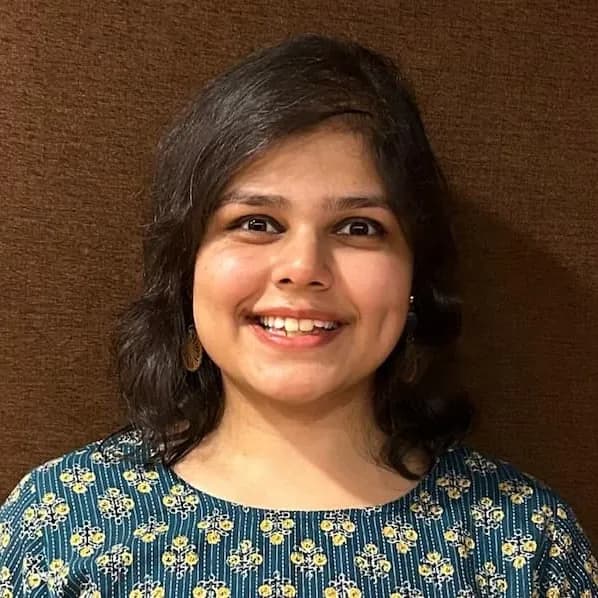
Sector 45, Gurugram
MA in Counselling Psychology
5+ Years Experience
English, Hindi
Anxiety, Depression, Stress Management, Relationship Issues , +1 more
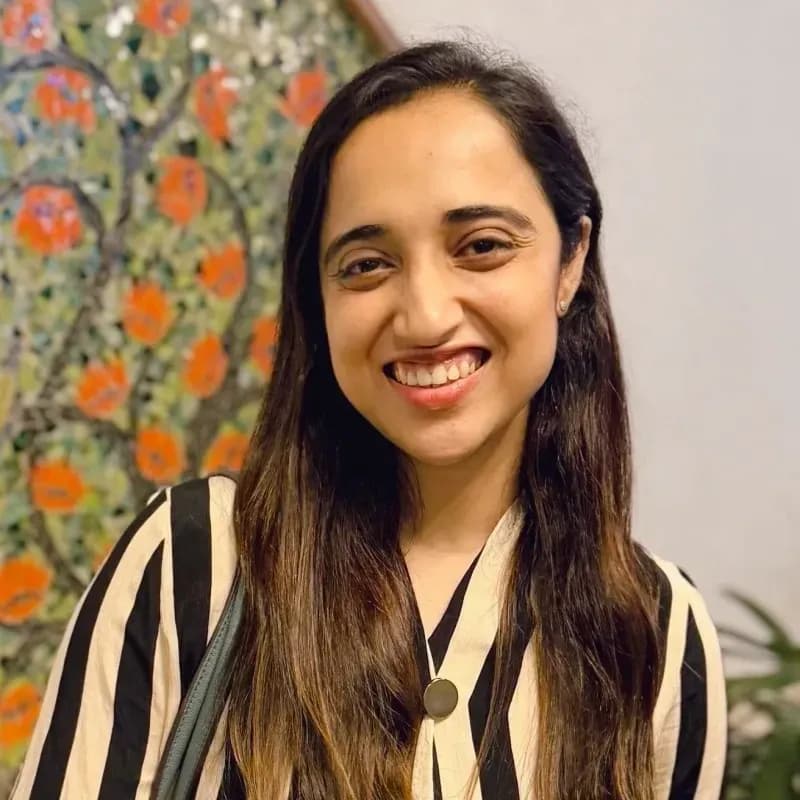
Mumbai, Maharashtra
MA in Clinical Psychology
4+ Years Experience
English, Hindi, Marathi
Depression, Stress Management, Relationship Issues, Marriage Problems , +10 more
Eating Disorder Counselling Insights
Certified Eating Disorder Counselling Sessions & Consultations
Professional eating disorder counselling to help you build resilience, heal emotional wounds, and improve well-being.
Eating Disorder Counselling: Your Guide to Recovery
Eating disorders profoundly influence both physical health and emotional well-being, often requiring comprehensive care to address their multifaceted impact. Whether it is binge eating, anorexia, or bulimia, professional support can make a transformative difference. At Medavas, we offer specialized eating disorder counselling tailored to your unique needs.
What is an Eating Disorder?
An eating disorder represents a complex mental health issue characterized by disruptive eating patterns that impact both physical and emotional well-being. It often revolves around concerns about body weight, shape, or food intake. Common examples include restricting food, overeating, or purging to control weight. Eating disorders are not simply about food; they are complex conditions that often require comprehensive treatment involving psychological, medical, and nutritional interventions.

Types of Eating Disorders
Anorexia Nervosa: Intense fear of gaining weight leads to extreme food restriction, often resulting in severe malnutrition and physical health issues. People with anorexia may have a distorted body image and see themselves as overweight even when they are underweight.
Bulimia Nervosa: Episodes of binge eating followed by purging behaviors such as vomiting, excessive exercise, or misuse of laxatives. This cycle can cause electrolyte imbalances, gastrointestinal problems, and dental issues.
Binge Eating Disorder: Frequent episodes of consuming large quantities of food in a short time, accompanied by feelings of loss of control and distress. Unlike bulimia, there are no compensatory behaviors, leading to risks of obesity and related health problems.
Other Specified Feeding or Eating Disorders (OSFED): Atypical conditions not fitting into the above categories, such as atypical anorexia or purging disorder.

Signs & Symptoms of Eating Disorders
Extreme focus on body weight or shape
Significant fluctuations in weight, either gain or loss
Avoiding social situations involving food or eating in secret
Obsessive calorie counting or rigid meal routines
Feelings of guilt or shame after eating
Physical symptoms like fatigue, dizziness, or hair loss
Changes in mood, including anxiety or irritability

What Causes Eating Disorders?
Eating disorders often arise from a combination of factors:
Biological: Genetic predisposition, brain chemistry, or hormonal imbalances that affect appetite and mood regulation.
Psychological: Low self-esteem, perfectionism, history of trauma or abuse, or co-occurring mental health disorders like depression or anxiety.
Social: Cultural pressures to maintain a certain body image, societal stigmas around weight, and exposure to media promoting unrealistic beauty standards.
Environmental: Stressful life events, peer pressure, or unhealthy family dynamics.
Risk Factors for Eating Disorders
Family history of eating disorders or mental health conditions
Early dieting or restrictive eating behaviors
Stressful life transitions, such as adolescence or major life changes
Participation in activities emphasizing thinness, such as modeling, gymnastics, or ballet
Negative body image and self-criticism

Complications of Eating Disorders
Left untreated, eating disorders can lead to severe complications such as:
Malnutrition and organ damage, including heart and kidney problems
Electrolyte imbalances that can cause arrhythmias or seizures
Bone density loss (osteoporosis)
Infertility or complications in pregnancy
Severe mental health issues, including suicidal thoughts

Treatment of Eating Disorders
A holistic approach to treatment integrates therapeutic and medical strategies, which may include:
Cognitive Behavioral Therapy (CBT): Identifying and changing harmful thought patterns and behaviors related to eating and body image.
Nutritional Counselling: Building a balanced relationship with food and creating sustainable eating habits.
Family-Based Therapy: Involving loved ones to support recovery and create a healthier home environment.
Medication: When necessary, antidepressants or other medications to manage co-occurring mental health conditions.
How to Stop Eating Disorders
Overcoming eating disorders begins with:
Acknowledging the problem and seeking help
Educating yourself and others about eating disorders
Developing healthy coping strategies for stress and negative emotions
Building a strong support network of friends, family, and professionals

How Eating Disorders Affect Mental Health
Eating disorders are closely linked to:
Anxiety and depression, often exacerbated by feelings of guilt or shame
Poor self-esteem and a negative self-image
Suicidal thoughts or behavior, especially in severe cases
Difficulty concentrating, which can impact work or academics
How to Deal with Eating Disorders
Practice mindfulness to manage negative thoughts and emotions
Create a structured meal plan to establish regular eating patterns
Avoid triggers like restrictive diets or negative body talk
Join support groups to connect with others facing similar challenges
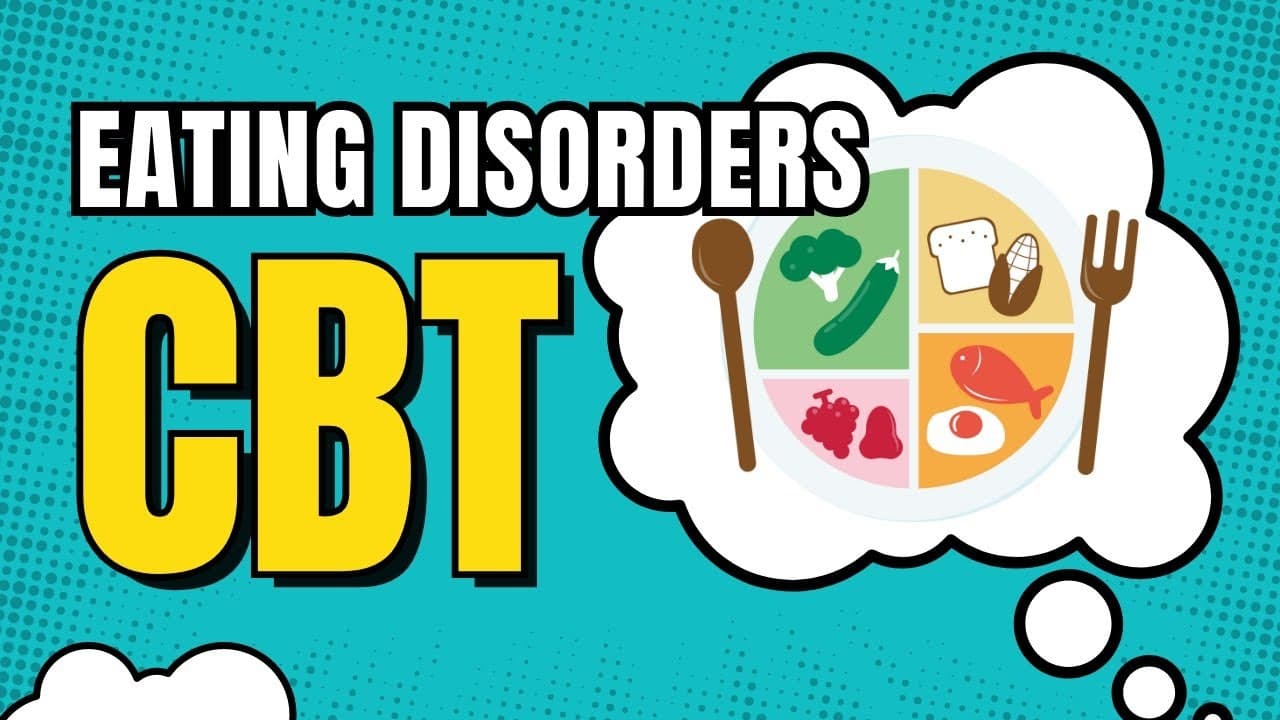
How Does CBT Help with Eating Disorders?
CBT is highly effective in treating eating disorders by:
Identifying harmful eating patterns and replacing them with healthier behaviors
Developing strategies to cope with stress and emotional triggers
Addressing underlying issues like perfectionism, fear of weight gain, or self-criticism
Building self-compassion and improving self-esteem
Therapies for Eating Disorders
In addition to CBT, other effective therapies include:
Dialectical Behavior Therapy (DBT): Building emotional resilience and improving emotional regulation
Interpersonal Therapy (IPT): Improving relationships and communication skills to reduce emotional distress
Acceptance and Commitment Therapy (ACT): Encouraging self-acceptance and focusing on values-driven actions
Art or Music Therapy: Creative outlets for emotional expression
Self-Help Tips for Eating Disorders
Keep a food diary to track thoughts, feelings, and behaviors around eating
Practice self-compassion and avoid negative self-talk
Engage in hobbies or activities that boost self-esteem and provide a sense of achievement
Set small, achievable recovery goals to build confidence and momentum
Educate yourself about nutrition and healthy eating habits
Why Seek Professional Help for Eating Disorders?
Professional help provides:
Comprehensive assessment and diagnosis to understand the full scope of the condition
Evidence-based treatments tailored to individual needs
A safe and supportive environment to explore underlying issues
Long-term support to prevent relapse and sustain recovery
Benefits of Online Counselling for Eating Disorders
Online counselling offers:
Accessibility from the comfort of your home, making it easier to seek help
Flexible scheduling to fit your lifestyle and commitments
Confidentiality and anonymity, which can reduce the fear of judgment
Access to specialized professionals who understand eating disorders

How Medavas Helps with Eating Disorders
At Medavas, our skilled counsellors deliver tailored support to empower you in reclaiming balance and confidence in your life. Through a combination of therapeutic approaches, we aim to:
Restore healthy eating patterns and behaviors
Address underlying psychological and emotional issues
Boost self-esteem and body confidence
Support long-term recovery with ongoing guidance and care
Take the First Step with Medavas
If you or a loved one is struggling with an eating disorder, don’t wait. Reach out to Medavas today for compassionate and effective eating disorder counselling. Together, we can pave the way to a healthier, happier life.

What Our Clients Say About Eating Disorder Counselling
Real feedback from individuals who found support and healing through our platform.


Consult in Your Preferred Language for Eating Disorder Counselling
Connect with certified therapists who speak your native language for more comfortable and culturally attuned eating disorder counselling sessions.
Common Questions About Eating Disorder Counselling
Got questions? We've got answers.
Looking for interactive mental health workshops? Join Live Webinars
Learn practical coping strategies, ask questions in real-time Q&A, and get certified guidance from top licensed psychologists in live clinical webinars.

Start Your Journey to Recovery Today
Get matched with a licensed professional specialized in Eating Disorder Counselling in minutes.