
Bullying Counselling
Professional bullying counselling to help you build resilience, heal emotional wounds, and improve well-being.
Starts at ₹899/session · No commitment required
Meet Our Bullying Counselling Experts
Vetted professionals specialized in Bullying Counselling ready to guide you.

Rohini, Delhi
MA in Counselling Psychology
4+ Years Experience
Hindi, English, Punjabi
Mindfulness & Coping Skills, Active Listening, Behavioral Assessment, Mindfulness Techniques , +29 more

Maya Enclave, New Delhi
MA in Psychology
5+ Years Experience
English, Hindi
Coaching, Communication Skills, Confidence Building, Coping Skills Development , +107 more

Barasat, West Bengal
M.Sc. Clinical Psychology
3+ Years Experience
English, Bengali, Hindi
Anxiety, Depression, Panic Attacks, Family Conflicts , +102 more

Gurugram, Haryana
Msc in Psychology
3+ Years Experience
Hindi, English
Anxiety, Depression, Stress Management, Relationship Issues , +15 more

Kanpur, Uttar Pradesh
MA in Psychology
4+ Years Experience
Hindi, English
Rational Emotive Behavior Therapy (REBT), Rehabilitation Planning, Relationship Counselling, Schizophrenia Support , +100 more

Central Delhi, New Delhi
M.A. Psychology
2+ Years Experience
Hindi, English, Tamil
Anxiety, Depression, Stress Management, Relationship Issues , +135 more

Mumbai, Maharashtra
MA in Clinical Psychology
4+ Years Experience
English, Hindi, Marathi
Depression, Stress Management, Relationship Issues, Marriage Problems , +10 more

Maheshtala, Kolkata
MPhil in Clinical Psychology
5+ Years Experience
Bengali, Hindi, English
Anxiety, Depression, Stress Management, Relationship Issues , +29 more
Bullying Counselling Insights
Certified Bullying Counselling Sessions & Consultations
Professional bullying counselling to help you build resilience, heal emotional wounds, and improve well-being.
Bullying Counselling: Overcoming Challenges and Finding Support
Experiencing bullying can deeply affect one’s mental and emotional health. At Medavas, we recognize the hurt and loneliness that often accompany being bullied. Our counselling services offer a safe and supportive environment where individuals can open up, heal, and rebuild their self-confidence. With the help of our skilled professionals, we guide you in developing resilience and effective coping mechanisms to face bullying challenges. Whether it’s bullying at school, in the workplace, or online, we are here to support you and help you find the strength to move forward.
What is Bullying?
Bullying refers to deliberate, aggressive actions aimed at exerting control or dominance over another person, often through a perceived power imbalance. It is typically repetitive and aimed at causing harm, whether physically, emotionally, or socially. Bullying can occur across different age groups and settings, including schools, workplaces, and online environments. Victims of bullying often feel powerless and isolated, making it essential to address this issue promptly and effectively.
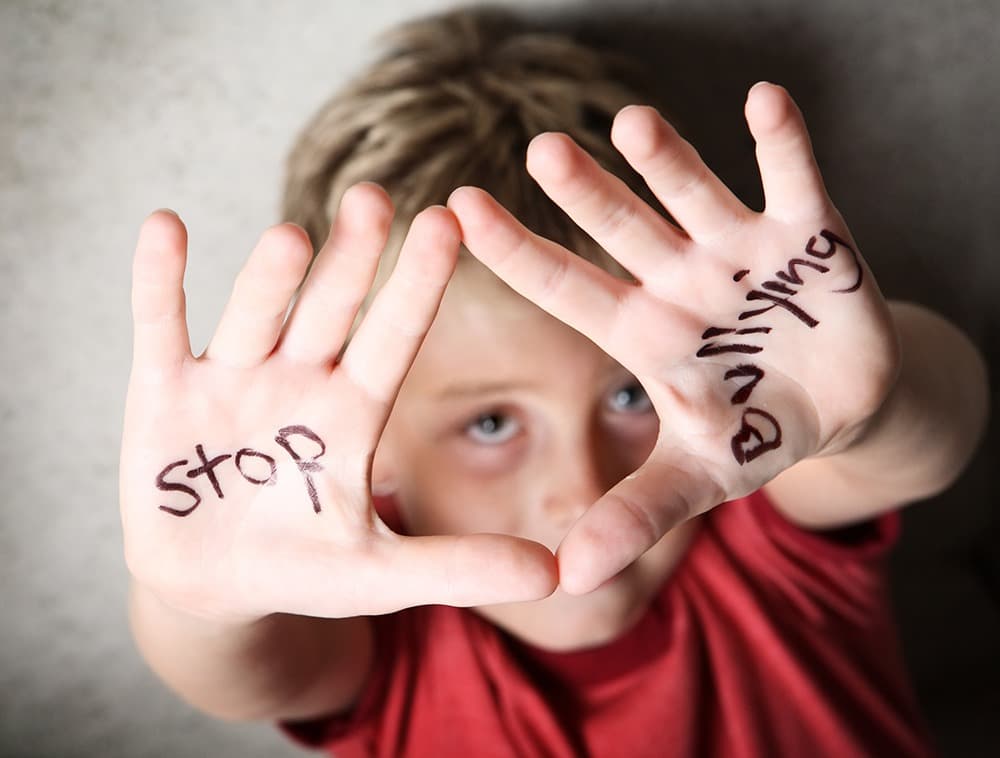
Types of Bullying
Bullying can take many forms, each affecting the victim in unique ways:
Verbal Bullying
This involves the use of language to belittle, demean, or intimidate someone. Examples include:
Name-calling
Threats and intimidation
Teasing or taunting
Hurtful comments about appearance, abilities, or background
Physical Bullying
Physical bullying involves direct physical aggression, such as:
Hitting, punching, or slapping
Pushing or shoving
Damaging personal belongings
Tripping or other forms of physical harassment

Indirect Bullying
Indirect bullying is less overt but equally damaging. It includes:
Spreading rumors
Excluding someone from social activities
Encouraging others to ostracize the victim
Cyberbullying
Cyberbullying takes place on digital platforms like social media, email, or messaging apps, involving harmful actions meant to intimidate or humiliate others. Examples include:
Sending threatening or hurtful messages
Sharing private information without consent
Posting embarrassing photos or videos
Creating fake profiles to harass individuals
Workplace Bullying
Workplace bullying involves repeated, harmful behaviors in professional settings. Examples include:
Micromanagement or excessive criticism
Exclusion from important projects or meetings
Overburdening with unrealistic deadlines
Spreading gossip or undermining credibility

Signs & Symptoms of Bullying
Recognizing the signs of bullying can lead to timely intervention. Common indicators include:
Physical injuries, such as bruises or cuts
Avoidance of school, work, or social situations
Sudden drop in academic or professional performance
Changes in mood, such as increased anxiety or depression
Withdrawal from friends and family
Sleep disturbances or frequent nightmares

Causes, Issues, and Challenges of Bullying
Understanding the underlying factors and challenges of bullying is crucial for effective intervention.
Causes
Bullying behaviors often stem from:
A desire for power or control
Exposure to aggression or violence at home
Peer pressure
Low self-esteem in the bully
Issues
Bullying creates a toxic environment, leading to:
Loss of trust among peers or colleagues
Fear and anxiety in victims
Difficulty maintaining relationships
Challenges
Victims of bullying face several challenges, such as:
Fear of retaliation if they report the bullying
Feelings of shame or self-blame
Lack of support from authority figures

How Bullying Affects Mental Health
The impact of bullying extends beyond immediate harm, often leading to long-term mental health issues:
Increased risk of anxiety and depression
Development of post-traumatic stress disorder (PTSD)
Lower self-esteem and self-worth
Difficulty concentrating or focusing
Suicidal thoughts or behaviors in extreme cases
How to Deal with Bullying
Addressing bullying requires a proactive approach:
Steps to Address Bullying
Acknowledge the Problem: Recognize that bullying is harmful and unacceptable.
Seek Support: Share your experiences with trusted friends, family, or professionals.
Document Incidents: Record details of bullying incidents, including dates and witnesses.
Set Boundaries: Clearly communicate that the behavior is unacceptable.
Report the Behavior: Inform teachers, HR departments, or other authorities.

Treatment of Bullying
Comprehensive treatment aims to address and mend the emotional and psychological scars left by bullying, fostering resilience and recovery. Common therapeutic approaches include:
Cognitive Behavioral Therapy (CBT)
CBT helps individuals identify and change negative thought patterns. It equips victims with tools to:
Manage anxiety and stress
Build resilience and self-confidence
Develop assertive communication skills
Group Therapy
Group therapy fosters a sense of belonging and provides:
A safe space to share experiences
Peer support and encouragement
Collective strategies to cope with bullying
Art Therapy
Art therapy allows victims to express emotions creatively, helping them:
Process trauma
Rebuild self-esteem
Develop new coping mechanisms
Self-Help Tips for Bullying
Empowering yourself with self-help strategies can aid recovery:
Practice Self-Care: Engage in activities that promote physical and mental well-being, such as exercise, meditation, or hobbies.
Build Resilience: Focus on personal strengths and achievements.
Create a Support Network: Surround yourself with positive and supportive individuals.
Avoid Engagement: Refrain from retaliating or engaging with bullies.
Develop Assertiveness: Learn to stand up for yourself in a calm and confident manner.
Why Seek Professional Help
Seeking professional assistance can make a significant difference in overcoming the effects of bullying. Benefits include:
Expert Guidance: Therapists offer tailored strategies to manage and overcome bullying.
Emotional Support: A safe and non-judgmental environment to discuss experiences.
Practical Tools: Techniques to rebuild confidence and resilience.

Benefits of Online Counselling for Bullying
Virtual counselling offers an accessible and personalized approach to tackling issues related to bullying, empowering individuals to regain control and confidence in their lives. Key benefits include:
Accessibility: Connect with therapists from the comfort of your home.
Flexibility: Schedule sessions at times that work for you.
Anonymity: Discuss sensitive topics without fear of judgment.
Expertise: Access qualified professionals with experience in bullying intervention.
How Medavas Helps with Bullying
At Medavas, we specialize in guiding individuals to overcome bullying challenges by offering tailored and empathetic solutions designed to promote lasting mental well-being. Our services include:
Tailored Counselling Plans: Customized approaches to meet individual needs.
Expert Therapists: Experienced professionals trained in bullying-related issues.
Therapeutic Techniques: CBT, mindfulness, and other evidence-based therapies.
Continuous Support: Ongoing guidance to help you regain confidence and achieve mental well-being.
Take the first step toward a brighter and more confident future. With Medavas, you can overcome the effects of bullying and reclaim your peace of mind. Reach out today for professional Bullying Counselling that truly makes a difference.
What Our Clients Say About Bullying Counselling
Real feedback from individuals who found support and healing through our platform.


Consult in Your Preferred Language for Bullying Counselling
Connect with certified therapists who speak your native language for more comfortable and culturally attuned bullying counselling sessions.
Common Questions About Bullying Counselling
Got questions? We've got answers.
Looking for interactive mental health workshops? Join Live Webinars
Learn practical coping strategies, ask questions in real-time Q&A, and get certified guidance from top licensed psychologists in live clinical webinars.

Start Your Journey to Recovery Today
Get matched with a licensed professional specialized in Bullying Counselling in minutes.