
Anemia Diet
Access customized diet plans and professional nutritionist consults for Anemia Diet.
Starts at ₹899/session · No commitment required
Meet Our Nutritionist & Dietitian Experts
Vetted professionals specialized in Nutritionist & Dietitian ready to guide you.

Shalimar Bagh, New Delhi
MA in Psychology
4+ Years Experience
Hindi, English
Anxiety, Depression, Stress Management, Relationship Issues , +1 more
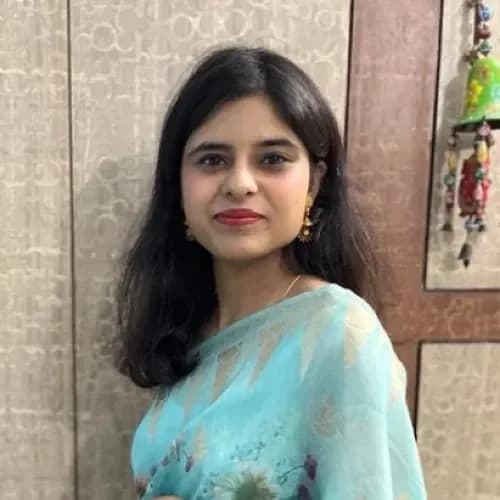
Gomti Nagar, Lucknow
M.Phil in Clinical Psychology
3+ Years Experience
English, Hindi
Anxiety, Depression, Stress Management, Relationship Issues , +1 more

Channagiri, Karnataka
MSC in Clinical Psychology
1+ Years Experience
Kannada, English, Hindi
Anxiety, Depression, Stress Management, Relationship Issues , +1 more
Lucknow, Uttar Pradesh
M.Phil in Clinical Psychology
2+ Years Experience
English, Hindi
Anxiety, Depression, Stress Management, Relationship Issues , +1 more
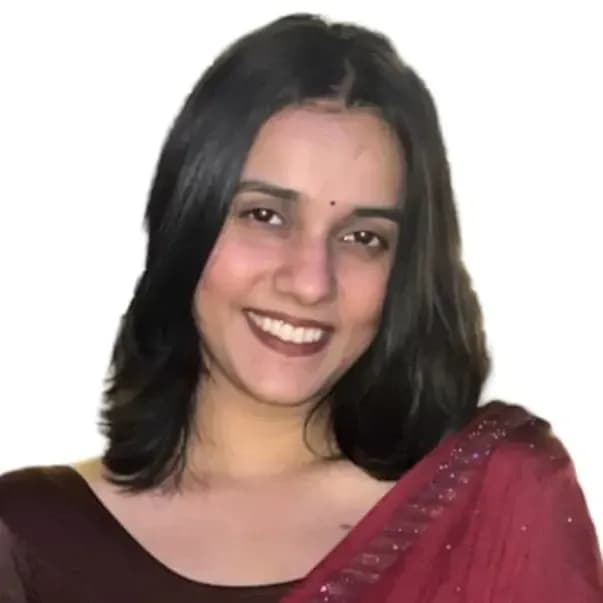
Sector 20, Chandigarh
MA in Psychology
3+ Years Experience
Punjabi, English, Hindi
Anxiety, Depression, Stress Management, Relationship Issues , +1 more

Sarvodaya Enclave, New Delhi
M.Sc. in Psychological Therapies
1+ Years Experience
Tamil, English, Hindi
Anxiety, Depression, Stress Management, Relationship Issues , +1 more
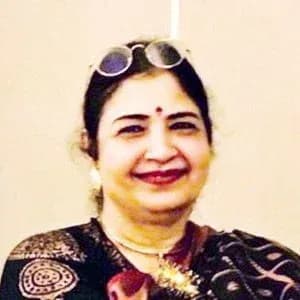
Maya Enclave, New Delhi
MA in Psychology
5+ Years Experience
English, Hindi
Coaching, Communication Skills, Confidence Building, Coping Skills Development , +107 more

Greater Noida, Uttar Pradesh
MA in Clinical Psycology
3+ Years Experience
English, Hindi
Anxiety, Depression, Stress Management, Relationship Issues , +1 more
Anemia Diet Plan & Online Dietitian Consultation in India
Certified Anemia Diet Sessions & Consultations
Access customized diet plans and professional nutritionist consults for Anemia Diet.
🩸 Improve Hemoglobin Naturally with the Right Anemia Diet
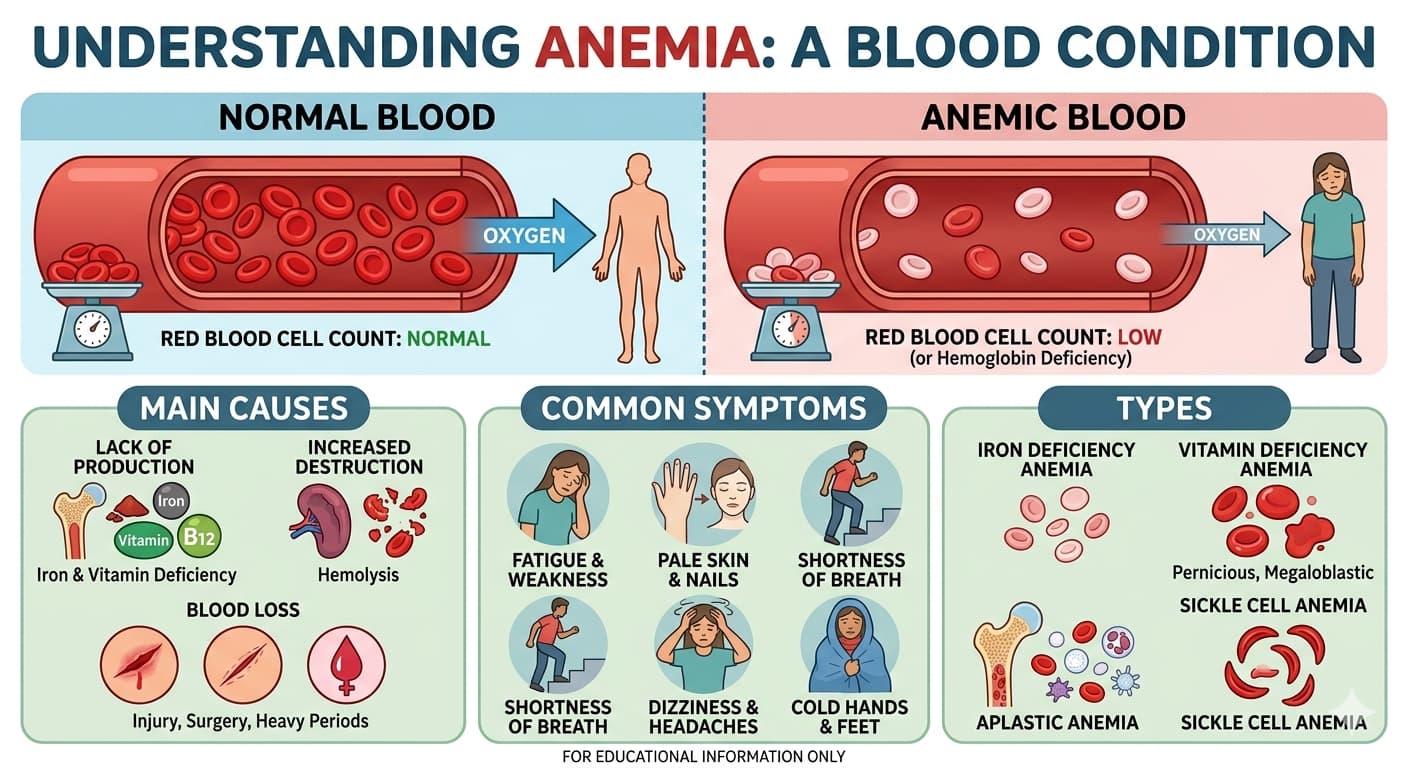
Anemia is one of the most common health conditions in India, especially among women, children, and adolescents. It occurs when your body does not have enough healthy red blood cells or hemoglobin to carry oxygen effectively.
The good news is that most cases of anemia can be improved with a proper, nutrient-rich diet and lifestyle changes.
At Medavas, we provide online anemia dietitian consultation in India, helping you increase hemoglobin levels naturally through personalized nutrition plans.
👉 Increase hemoglobin levels
👉 Reduce weakness and fatigue
👉 Improve overall health and energy
🧠 What is Anemia?
Anemia is a condition where the body lacks sufficient red blood cells or hemoglobin, leading to reduced oxygen supply to tissues.
📊 Common Symptoms of Anemia
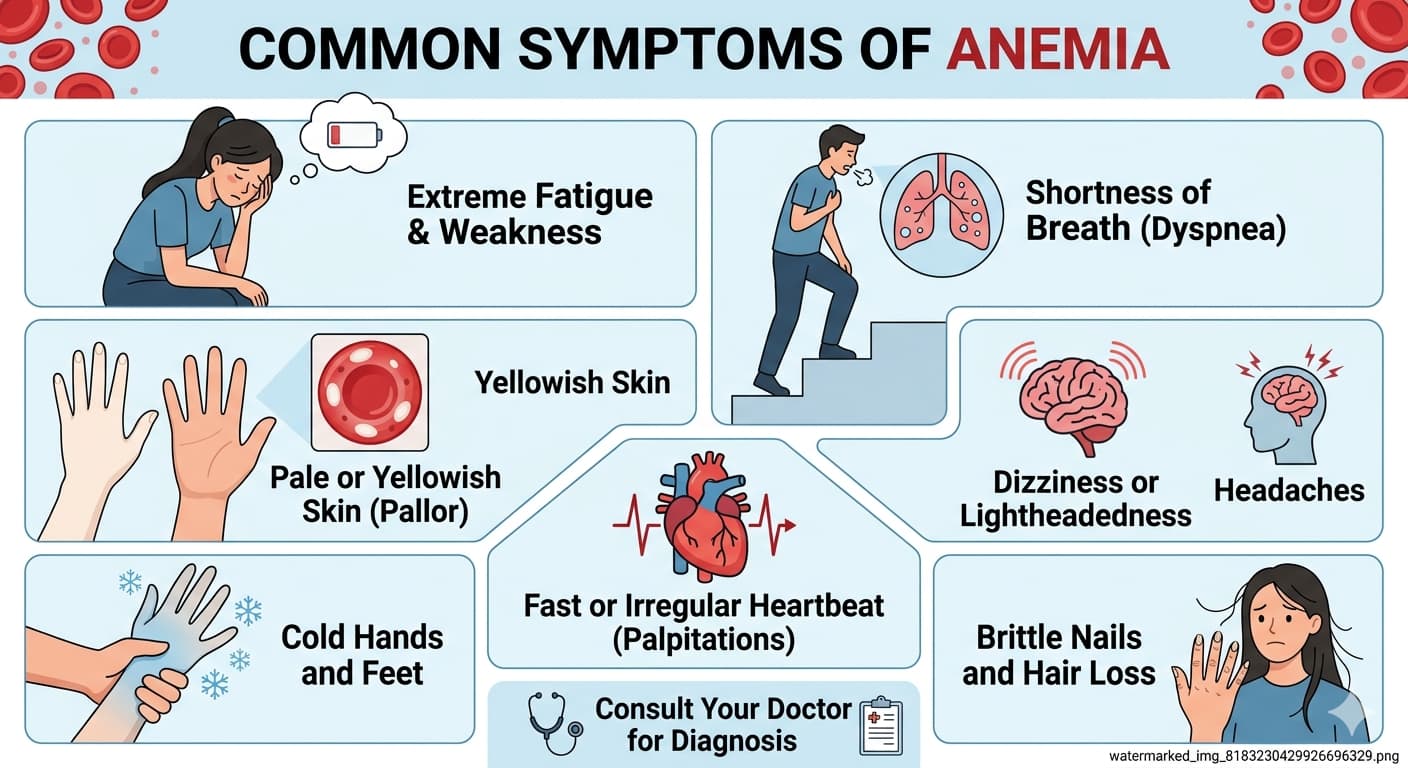
⚠️ Signs to Watch
- Fatigue and weakness
- Pale skin
- Dizziness
- Shortness of breath
- Hair fall
👉 These symptoms often indicate low hemoglobin levels.
🔍 Causes of Anemia
- Iron deficiency
- Vitamin B12 deficiency
- Poor diet
- Blood loss
- Chronic diseases
👉 Identifying the cause is essential for proper treatment.
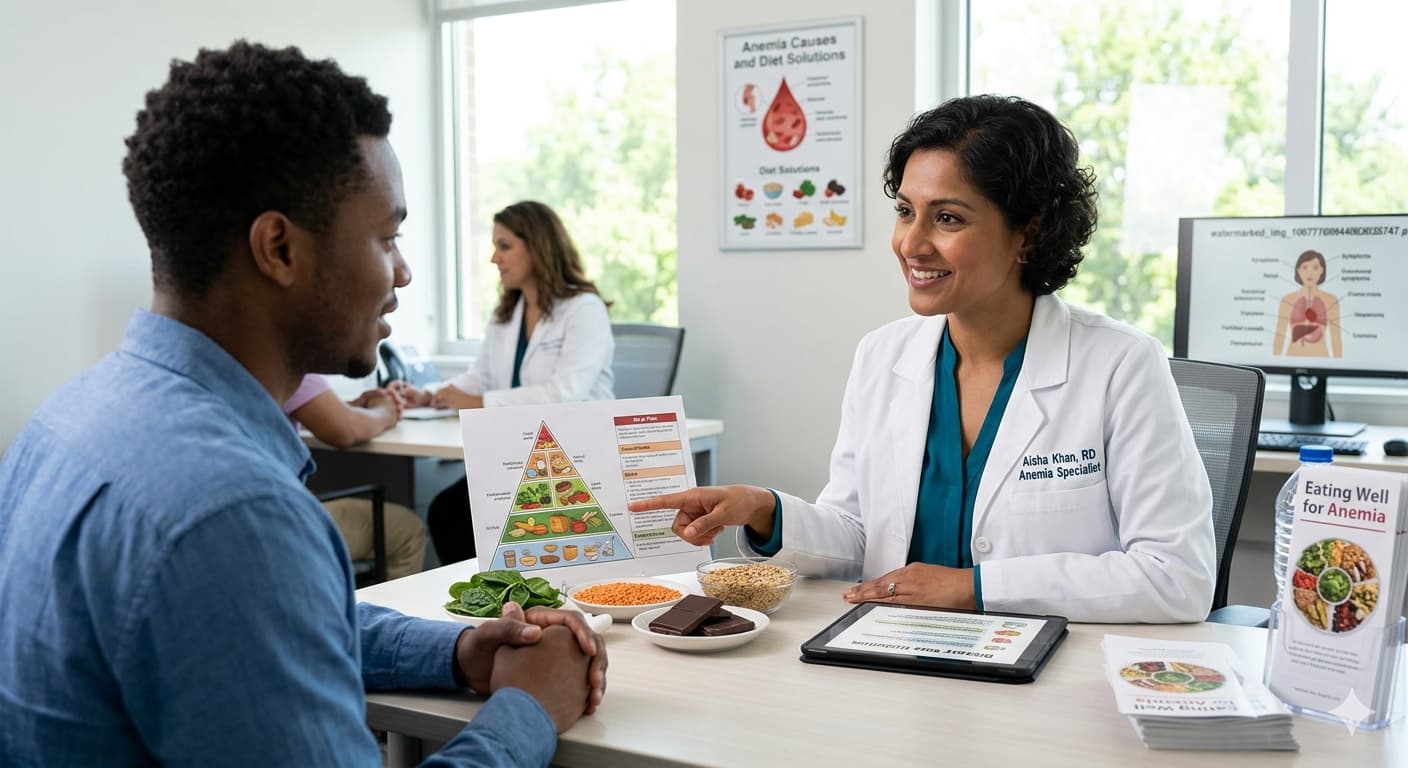
👩⚕️ Our Expert Anemia Dietitians
At Medavas, our dietitians:
- Specialize in clinical nutrition
- Focus on root cause treatment
- Create personalized diet plans
🎯 Our Anemia Dietitian Services
🥗 Personalized Anemia Diet Plans
- Based on deficiency type
- Customized for lifestyle
🧬 Nutrient Correction Plans
- Iron
- Vitamin B12
- Folic acid
🔄 Continuous Monitoring
- Hemoglobin tracking
- Diet adjustments
🧬 Types of Anemia
🔹 Iron Deficiency Anemia
Most common type
🔹 Vitamin B12 Deficiency Anemia
Due to lack of B12
🔹 Folate Deficiency Anemia
Due to low folic acid
👉 Each type requires a specific diet approach.
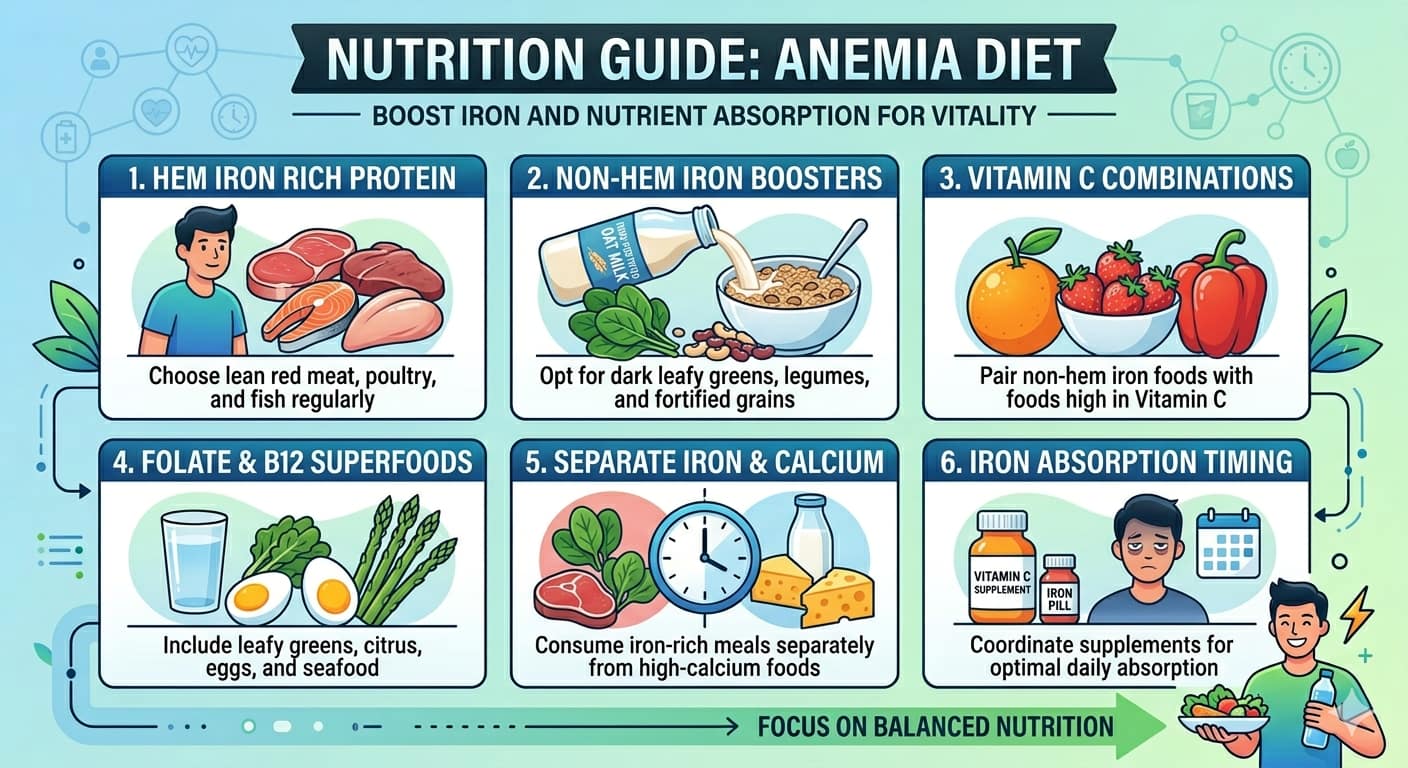
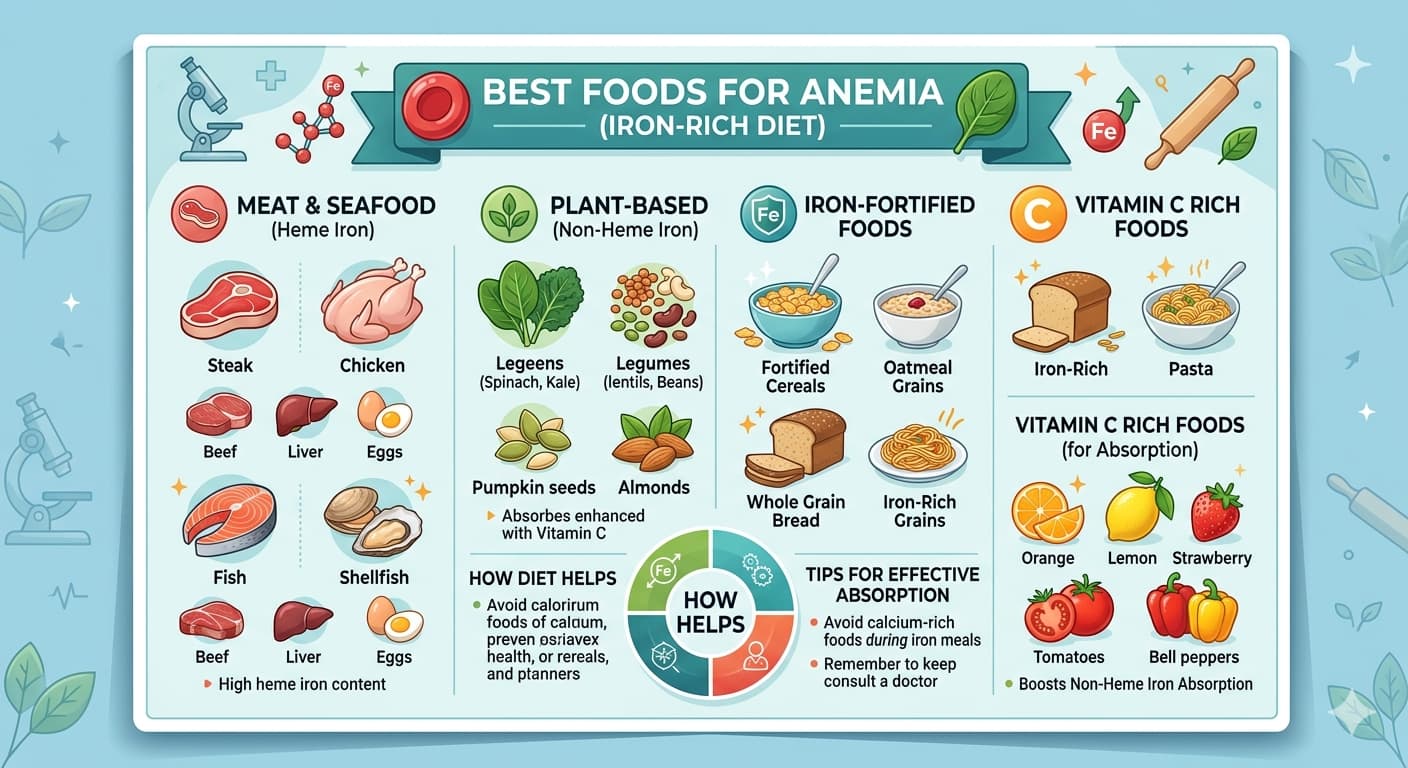
🥗 Best Foods for Anemia (Iron-Rich Diet)
🥬 Iron-Rich Foods
- Spinach
- Beetroot
- Lentils
🍗 Animal Sources (High Absorption)
- Chicken
- Liver
- Eggs
🍊 Vitamin C Foods (Boost Absorption)
- Lemon
- Orange
- Amla
🥜 Nuts & Seeds
- Pumpkin seeds
- Almonds
🚫 Foods to Avoid in Anemia
- Tea/coffee with meals
- Processed foods
- Excess calcium during iron intake
👉 These reduce iron absorption.
🥣 Sample Anemia Diet Plan (Indian)
Morning: Warm water + lemon
Breakfast: Poha + peanuts + fruit
Lunch: Roti + dal + spinach sabzi
Snack: Fruit + nuts
Dinner: Light balanced meal
🧠 Tips to Increase Hemoglobin Fast
- Combine iron with vitamin C
- Avoid tea/coffee after meals
- Eat iron-rich foods regularly
⚠️ Common Mistakes
- Ignoring symptoms
- Poor diet
- Not following treatment
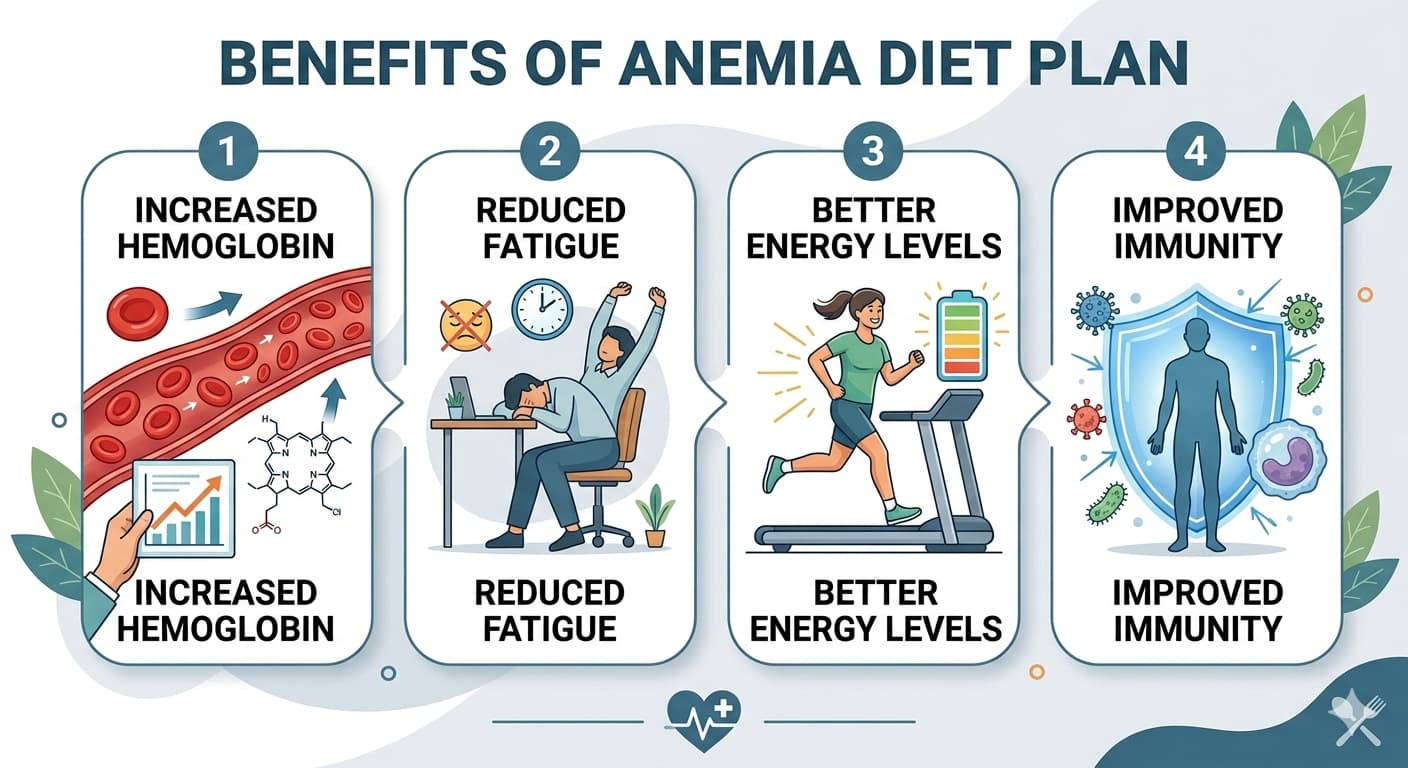
📉 Benefits of Anemia Diet Plan
- Increased hemoglobin
- Reduced fatigue
- Better energy levels
- Improved immunity
🧠 Anemia & Lifestyle
- Sleep improves recovery
- Stress affects nutrition
- Regular meals are important
📊 Results Timeline
- 2–4 weeks: Improved energy
- 1–2 months: Increased hemoglobin
- 3 months+: Full recovery
👩👧 Who is at Risk?
- Women (especially during periods)
- Pregnant women
- Children and teens
- Vegetarians
⭐ Success Stories
- “My hemoglobin improved in 2 months”
- “I feel more energetic now”
🚀 Improve Your Hemoglobin Naturally
👉 Book your online anemia dietitian consultation and regain your energy and health.

📍 Find Anemia Diet Nutritionists & Dietitians Across India We are expanding our services across major cities
What Our Clients Say About Anemia Diet
Real feedback from individuals who found support and healing through our platform.


Consult in Your Preferred Language for Anemia Diet
Connect with certified therapists who speak your native language for more comfortable and culturally attuned anemia diet sessions.
Common Questions About Anemia Diet
Got questions? We've got answers.
Looking for interactive mental health workshops? Join Live Webinars
Learn practical coping strategies, ask questions in real-time Q&A, and get certified guidance from top licensed psychologists in live clinical webinars.

Start Your Journey to Recovery Today
Get matched with a licensed professional specialized in Nutritionist & Dietitian in minutes.